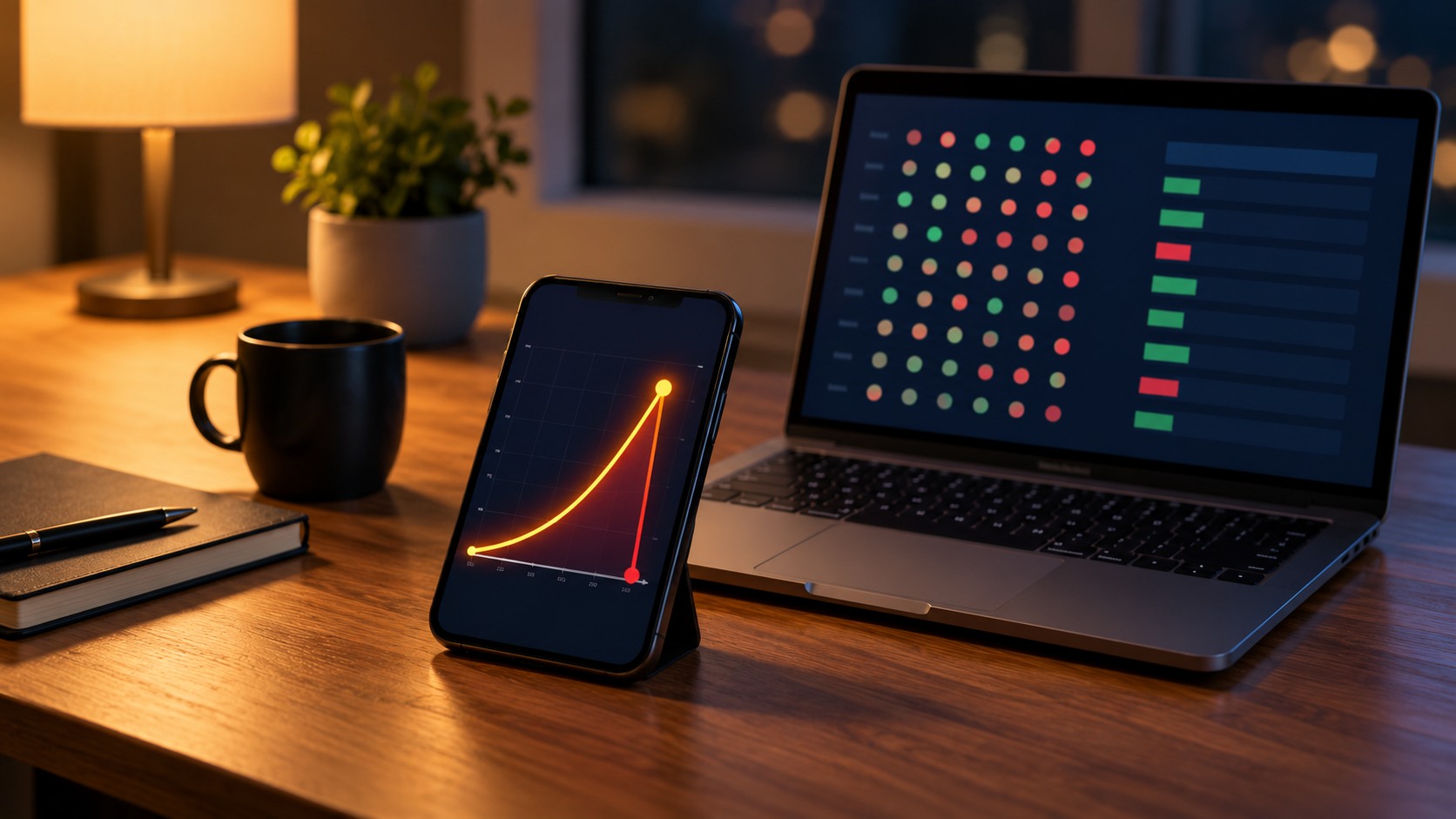
Players sometimes describe a pokie as due to hit after a long dry spell, or avoid a machine that has just paid a jackpot. For games designed to generate independent random outcomes, recent spins do not predict the next result. The rules and certified version of a particular game determine how its outcomes are produced.
The Core Mythological Fallacy
In a game with independent random outcomes, a machine does not make a later spin more likely to pay because of earlier losses or wins. Check the rules for the specific game; features such as a shared progressive jackpot can track a separate prize pool.
How Modern Slot Machines Actually Function
Every electronic gaming machine, whether an Australian Aristocrat cabinet in a Kiwi tavern or an online video slot, operates via a dedicated microprocessor executing a certified random number generator. The RNG cycles through thousands or millions of numerical seeds every second.
The exact microsecond a player presses the spin button or pulls the lever, the generator freezes the current numbers for each reel position. The visual spinning reels, escalating sound effects, and teasing near-misses are merely a delayed theatrical presentation of an outcome that was determined within milliseconds.

Five Persistent Pokie Myths Debunked
1. "A machine that has not paid out is due"
Verdict: False. This is the classic Gambler's Fallacy. Because the RNG draws from the same probability distribution on every single spin, a machine with a 1 in 100,000 chance of a top jackpot has that exact same 1 in 100,000 probability on the next spin, regardless of whether it paid five minutes ago or five days ago.
2. "Inserting a player card or notes changes payout rates"
Verdict: False. New Zealand Department of Internal Affairs (DIA) technical standards strictly forbid gaming machines from altering mathematical odds based on the input method (coins, banknotes, or electronic player cards). Player tracking modules are physically and logically segregated from the game logic board.
Myth 3: Cabinet temperature predicts a payout
Verdict: False. Tavern patrons sometimes touch the side or glass of a machine, believing hot cabinets are cycling more current towards a payout. Cabinet temperature simply reflects cathode lighting, monitor heat dissipation, and internal cooling fans.
4. "Stopping the reels manually alters the outcome"
Verdict: False. Modern machines feature a stop button, but pressing it only interrupts the reel-spinning animation. The stop position was locked into memory the instant the play button was engaged. The player influences visual pace, not mathematical outcome.
5. "Online slots pay more during certain times of day"
Verdict: False. Certified online software providers host RNG engines on remote game servers located in regulated data centres. Payout algorithms operate uniformly whether midnight or midday.
Mathematical Comparison: Independence vs Memory
To understand why streaks happen naturally without any machine memory, examine how independent probabilities compound:
| Consecutive Non-Paying Spins | Probability on 90% Hit Machine | Next Spin Probability | Player Interpretation |
|---|---|---|---|
| 10 Spins | 34.8% | Constant (e.g. 15% hit rate) | "Just warming up" |
| 25 Spins | 7.1% | Constant (e.g. 15% hit rate) | "Machine is getting tight" |
| 50 Spins | 0.5% | Constant (e.g. 15% hit rate) | "Guaranteed to hit soon" (False) |
New Zealand Regulatory Standards
New Zealand Class 4 gaming machines are subject to Gambling Act requirements and Department of Internal Affairs technical standards. Return-to-player settings and testing requirements depend on the machine and applicable rules. A published RTP is a long-run theoretical figure, not a promise about an individual session.
When enjoying a pint at your local sports pub, treat pokies as paid entertainment with a fixed price of admission, never as an investment waiting to mature.