A cartoon slot machine fails three times. A voice cries “Aw, dangit” after each spin. Within weeks, the sound is being used for failed fishing trips, awkward everyday decisions and countless other situations that have nothing to do with casinos. That is the strange appeal of gambling memes: the joke can travel much further than the bet.
Gamblecore edits and “Let’s Go Gambling” clips share a feed with Kiwi sports-betting reactions. Some posts ridicule jackpot-chasing. Others borrow the same humour to sell betting. The source of the joke matters.
What counts as a gambling meme?
A gambling meme is a repeatable online joke built around betting, casino imagery or the emotions associated with winning and losing. It might be an image macro about a hopeless betting slip, a slot-machine sound used over an unrelated mishap, or a short reaction video about an NRL result. Memes can be made by fans, comedians, streamers or commercial accounts; they are not automatically advertisements.
Reels build suspense, a loss sound cuts it short, and a jackpot animation celebrates the opposite result. That sequence is legible even to someone who has never gambled.
The viral formats worth recognising
Gamblecore and Casino Irony: gambling as absurdist comedy
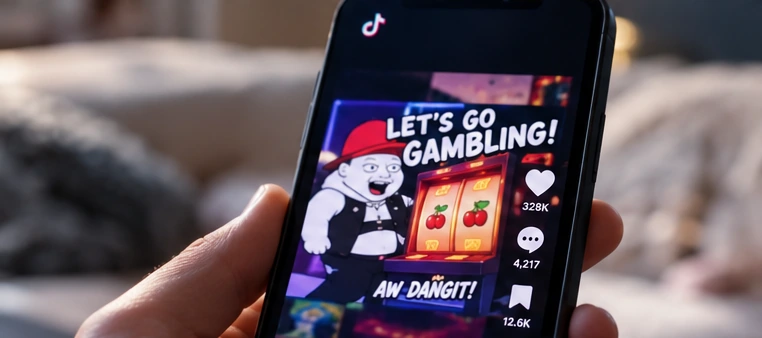
Gamblecore, also called Casino Irony, emerged as a recognisable TikTok meme style in 2023. Its exaggerated casino visuals, deliberately rough edits and enthusiastic gambling slogans often parody the logic of gambling promotions. It overlaps with the rapid-fire aesthetics of Hood Irony, Corecore and broader internet shitposting, where the intensity of the edit is part of the punchline.
The slogan is usually part of the satire. Put the same line next to an operator’s logo or sign-up link, though, and its function can change.
“Let’s Go Gambling” and the “Aw Dangit” sound
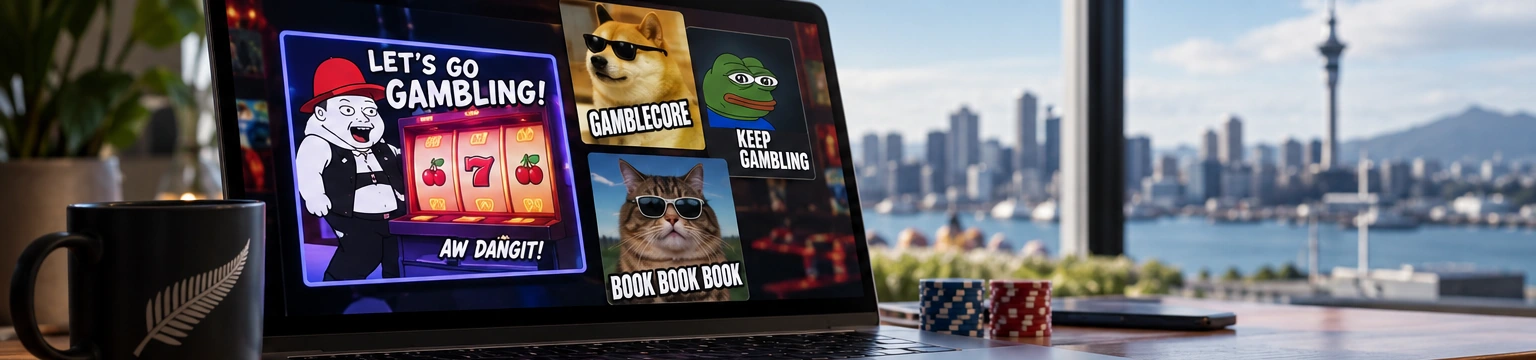
On 12 May 2024, creator @raxdflipnote posted a Flipnote-animated clip in which a character announces “Let’s go gambling”, spins a slot machine and repeatedly loses. The quick, deflated “Aw, dangit” became the reusable punchline. According to Know Your Meme’s documented history, the sound spread on TikTok during May 2024 and inspired remixes, fan animations and lip dubs.
A losing slot spin was the original gag. The sound worked just as well over a missed catch, a failed game level or a ruined dinner. The repetition is the joke: another try, the same result.
“Keep Gambling” and the joke about being one spin away
“Keep Gambling” memes exaggerate a familiar gambler’s fallacy: the suggestion that the next attempt must be the big win because previous attempts failed. Versions draw on satirical lines popularised by The Onion and circulate as image macros, mock-motivational posts and ironic captions on platforms such as Reddit. The joke is the obvious gap between confident advice and the reality of random outcomes.
An independent slot spin does not become more likely to win because earlier spins lost. That is precisely the mistaken reasoning the joke sends up.
“Gamba”, livestream clips and streamer reactions
“Gamba” is internet slang for gambling and became associated with gambling livestream culture. Twitch personalities such as xQc and Trainwrecks helped bring dramatic slot reactions, bonus rounds and big-win clips into wider streaming conversations. Online discussions of gambling streams also mention creators such as Reckful , but not every streamer belongs to the same period, platform policy or format.
A dramatic five-second clip may omit hours of play. One viral win cannot represent a typical session.
Sports-betting reactions and the doomed multi
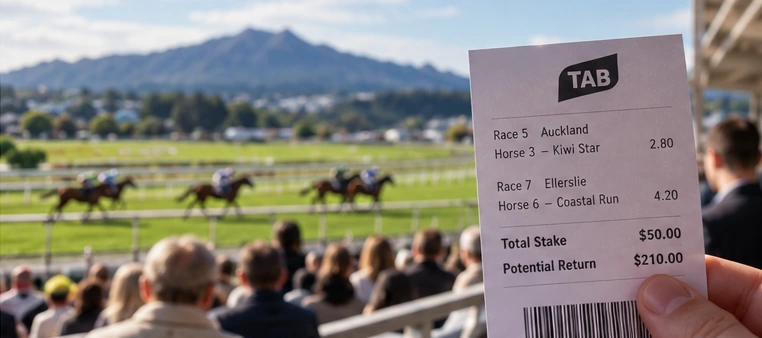
Sports memes replace spinning reels with a missed conversion, a late try or a match result that ruins a carefully planned multi. Betting slips become storyboards: several picks look promising until one result changes everything. The humour is understandable even to someone who only follows rugby league, rugby union or horse racing.
An NZ Warriors result or a race-day upset gives local group chats plenty of material. Neither makes the underlying global meme a New Zealand invention.
Why gambling memes spread so easily
A complete story in seconds. A reel spins, anticipation rises, and the result arrives. That is enough for a short reaction clip.
A sound anyone can reuse. TikTok audio and the editing tools on Instagram Reels and YouTube Shorts let people apply a casino punchline to fishing, gaming or sport.
A joke for the group chat. Reddit, X, Discord and private chats circulate losing-slip reactions, even among people who never placed the bet.
A skewed highlight reel. Jackpot celebrations and dramatic losses get shared. Uneventful sessions tend not to. The resulting feed can make unusual outcomes look routine.
A ready-made advertising format. A betting brand can attach its name to an existing joke. Researchers call some of these tactics content hijacking ; a casino image on its own is not proof of sponsorship.
Where New Zealand gambling culture fits
New Zealand has its own vocabulary and social settings. Pokies are electronic gaming machines, while TAB NZ is associated with racing and sports betting. Betcha , linked to TAB and its operating partnership with Entain , became a visible part of social-media conversations about sports betting, entertainment and influencers. These local associations sit alongside global TikTok jokes rather than replacing them.
A failed multi during an NRL weekend, an upset at the races or a rugby result can give a global format a local punchline. The words pokies , betting slip and multi do plenty of that work.
In a December 2024 investigation, The Spinoff described how TAB and Betcha appeared in influencer partnerships, racing events, podcasts and Instagram Reels. The coverage included Boys Get Paid , the Alternative Commentary Collective and content around the Warriors and golf. These are examples of gambling-linked media ecosystems, not proof that each creator publishes gambling memes or endorses the same message.
A sports clip can be promotional even without a direct invitation to bet.
How to tell an organic meme from a gambling promotion
The same reaction clip can be a fan joke or a paid promotion, depending on its publisher and links.
| Signal | Fan-made humour | Possible promotional content |
|---|---|---|
| Account | Personal, community or parody account | Operator, affiliate or paid influencer account |
| Message | Shares a reaction or mocks a result | Encourages betting or normalises participation |
| Branding | May have none | Logos, watermarks, tagged partners or campaign hashtags |
| Next step | Comment, remix or share | Visit a betting site, use an offer or place a wager |
| Disclosure | Usually not applicable | May include an ad or partnership label; missing labels do not prove independence |
Check the original account, partner tags and destination links. Reposts can lose advertising disclosures.
When the joke stops being harmless
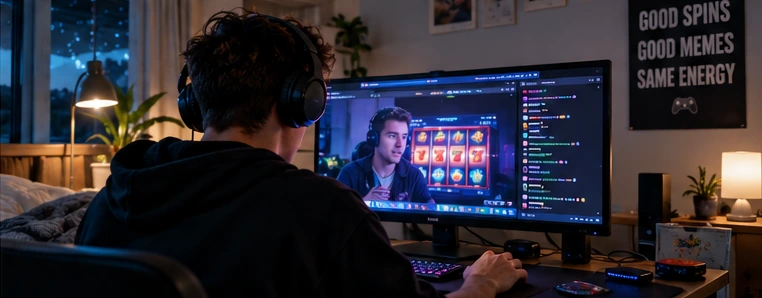
Winning clips rarely show the losses and stakes outside the edit. Influencer sponsorship can also be easy to miss.
A 2024 study by Christopher Rawlins examined 60 memes posted on X by US sports-betting brands BetMGM , DraftKings and FanDuel . It found frequent humour, teasing and references to shared sports emotions. That is useful evidence of how betting brands communicate online, but it is not a measurement of New Zealanders’ betting behaviour or proof that those memes caused people to gamble.
A near miss is a loss, not evidence that a win is closer.
New Zealand organisations including the Problem Gambling Foundation and Hāpai Te Hauora discuss gambling harm in the context of individuals, relationships and whānau. Warning signs worth taking seriously include chasing losses, concealing spending or feeling pressured to bet to stay involved with friends. Someone can enjoy the meme without participating in the activity it depicts.
What are the rules for gambling promotion in New Zealand?
Check who published the post and where its link leads: an unaffiliated joke differs from a paid creator post that directs people to an operator. The meme format itself does not tell you whether a post is advertising; the Department of Internal Affairs' guidance for advertisers explains the New Zealand restrictions.
These rules are not a blanket ban on people making jokes about slots, nor should they be confused with every form of sports-betting content. Influencers and content creators who promote online casino services can fall within advertising rules; specific facts, sponsorship arrangements and current DIA guidance matter. Commercial publishers should check the regulator’s latest provider guidance and applicable advertising standards rather than assuming an overseas campaign can run unchanged in Aotearoa.
Questions people ask about gambling memes
Where did “Let’s Go Gambling” come from?
It originated from a May 2024 Flipnote animation by TikTok creator @raxdflipnote. The repetitive “Aw, dangit” loss reaction became an audio meme used far beyond casino jokes.
Are Gamblecore memes serious encouragement to gamble?
Often they are absurdist satire, especially when they use exaggerated claims and deliberately chaotic editing. But the intention depends on the creator, the surrounding caption, branding and whether the post links to an actual gambling offer.
Is “Gamba” a New Zealand gambling term?
No. “Gamba” is broader internet and livestream slang. New Zealand-specific vocabulary more commonly includes “pokies”, “TAB” and a “multi” in sports betting conversations.
Why are gambling memes popular even with non-gamblers?
The familiar rhythm of trying again and failing works without any knowledge of casino games.
Does a meme showing a win tell you anything about the odds?
No. A clip singles out one event and omits the other outcomes. It cannot establish the probability of winning a particular game or bet.