
A sports highlight, a creator's casino-win clip and a game featuring a loot box can look alike in a feed. For New Zealand readers, check who is promoting the item, whether money or chance is involved, and what the viewer is asked to do next.
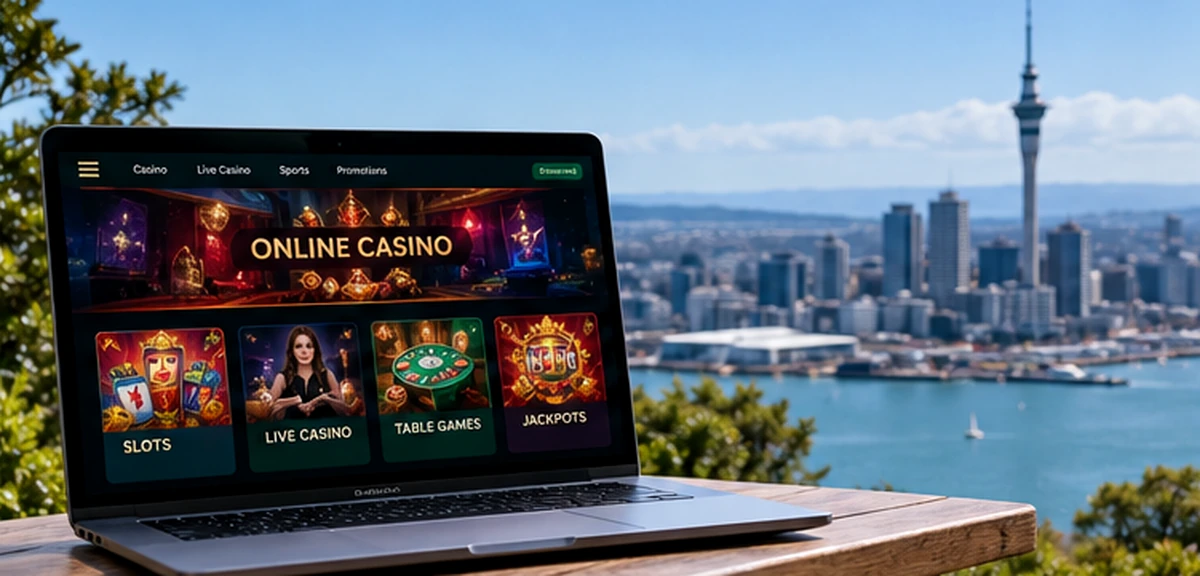
How gambling becomes part of everyday social media
On TikTok and Instagram Reels, a jackpot can be compressed into seconds. YouTube livestreams show longer play; Facebook groups, Snapchat stories and posts on X circulate tips, reactions and links. Rugby and racing discussions can place odds beside team news, jokes and match predictions.
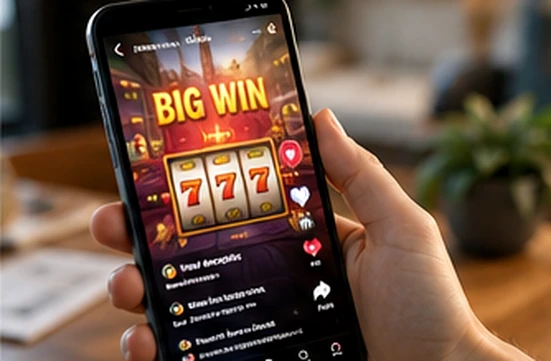
A win makes a shareable clip. Losing for an hour generally does not. As a result, even genuine footage can present a misleading picture of what gambling usually delivers. Likes and comments reveal what attracts attention, not how many New Zealanders actually gamble.
Watching or sharing a betting video may produce more recommendations of the same sort. The next post is not necessarily a paid advert, and exposure alone cannot establish that somebody will gamble. But a person can encounter repeated gambling messages without ever searching for a casino.
What counts as gambling content?
Three things can appear side by side: discussion of gambling, a promotion inviting someone to sign up, and a game designed around chance. Check for a payment, a commercial link and a promised reward before treating them as equivalent.
| Type of content | Typical example | What to check |
|---|---|---|
| Organic discussion | Fans debate odds or share a betting story | Is anyone being paid or directing viewers to a service? |
| Brand-controlled advertising | A gambling operator publishes a sponsored video | Who controls the message, and is the promotion lawful? |
| Influencer or affiliate promotion | A creator supplies a promo code, tracked link or endorsement | Is there a commercial relationship or incentive to register? |
| Gambling entertainment | A livestream shows pokies, slots or casino play | Are stakes, losses and sponsorships transparent? |
| Simulated gambling | Social casino games or game-based chance mechanics | Can real money be lost, or are rewards and purchases involved? |
A loot box or microtransaction is not automatically identical in law to a real-money casino bet. Some video games sell a chance to receive a random digital item; social casino games may imitate poker or slots without providing cash winnings. They deserve attention because they borrow the presentation and anticipation of gambling, not because all of them share the same legal classification.
Creators: entertainment, trust and promotion
A creator who normally posts gaming clips or rugby commentary can introduce a casino endorsement in the same familiar voice. Followers may recognise the personality before they notice the advertisement. That makes the commercial relationship worth checking, especially when a sponsored post looks like an ordinary upload.

Look for affiliate links, bonus codes, sign-up giveaways, prominent win screenshots and repeated brand mentions. An influencer can receive a fee or commission regardless of whether followers win. A friend recounting a bet is not doing the same job as a paid promoter.
In New Zealand, PGF Services has drawn attention to influencer promotions and the way discount-style offers appear in short-form feeds. The Advertising Standards Authority (ASA) explicitly treats social channels including Meta's Facebook and Instagram, TikTok, YouTube, Snapchat and X as possible advertising media. Its guidance also covers influencer content and advertiser-controlled user-generated material.
If a supposedly casual post includes a direct sign-up link, ask who benefits from the click. A sponsorship label helps identify an advert; it does not make a legally prohibited promotion lawful.
Sports betting, fandom and social identity
Sports betting occupies a distinctive place in New Zealand gambling culture because gambling commentary can sit next to rugby, racing and football coverage. The TAB, racing, match odds and predictions are recognisable topics for many fans. A bettor may view a wager as part of following a game, while a non-betting fan sees the same content as sports discussion.

A group chat celebrating a multi-bet can put pressure on friends even when nobody is paid to promote it. A brand partnership has a different purpose: attracting customers. Both can borrow the language of loyal supporters, which is why context matters more than the tone of the post.
In a 2025 ASA decision concerning Entain NZ’s Betcha Instagram advertising, a complaint challenged the use of audio associated with New Zealand emergency alerts. The decision resulted in no further action. It concerned that particular advert, not a blanket approval of similar promotions. Sports and racing betting operate under different rules from offshore online casinos.
What the New Zealand research says about children
Research commissioned by the New Zealand Ministry of Health provides unusually direct evidence about children's exposure. Published in December 2025, the Children's Exposure to Gambling and Gambling Marketing report combined analysis of Kids Online Aotearoa data with children's focus groups and stakeholder workshops.
Across the online activity measured, children encountered gambling or gambling marketing 1.3 times per hour on average . Games accounted for 44.4% of exposures, and nearly one-third occurred on social media. Within online gambling-related exposures, loot boxes and microtransactions accounted for 45.0% and social casino games for 10.9% . The research also found that 71.7% of exposures contained interactive elements, although children interacted with them relatively rarely (6.9%).
The figures measure exposure, not participation or harm. Nearly one-third of encounters occurring on social media does not mean one-third of New Zealand children gamble. The research documents where children see gambling-related material, including spaces they visit for other reasons.
Exposure also varies within the youth audience. Boys in the measured material encountered significantly more simulated gambling content than girls. Age, online habits and household context make a single description of “young people” inadequate.
Visibility can normalise gambling; causation is unclear
When feeds repeatedly show jackpots, enthusiastic comments and familiar creators, betting may begin to look routine. That is a plausible route to normalisation, not proof that a particular clip caused anyone to develop gambling problems.
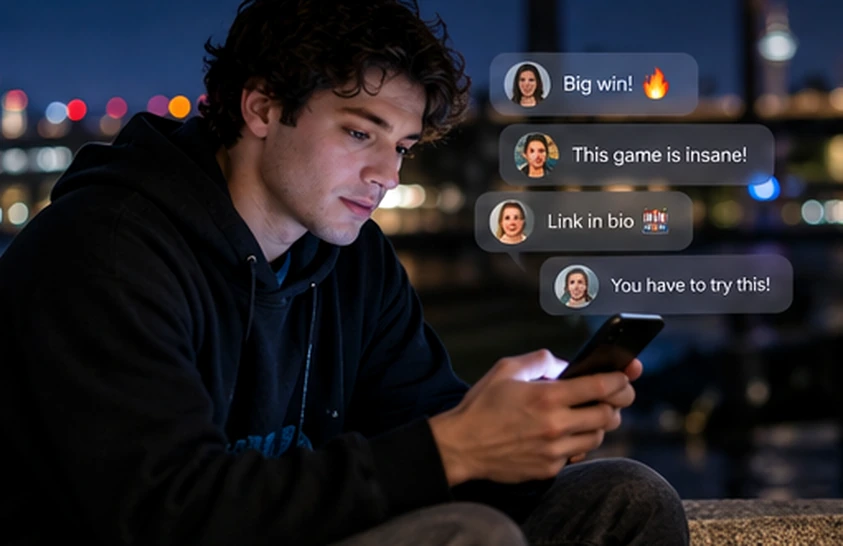
People who already bet may follow gambling creators and see more betting posts as they engage. This makes it difficult to separate a feed’s influence from the viewer’s existing interests. Sponsorship, omitted losses and sign-up links are more useful clues than views or likes.
Consider the invitation behind the post. A video explaining probability is different from a claim that a casino will solve money troubles. A friend describing losses is different from a marketer presenting a win as effortless income.
New Zealand gambling advertising rules in 2026
To assess a gambling post in a feed, check whether it names an operator, directs viewers to sign up or uses a paid or affiliate link, then consider which audience it reaches. The Department of Internal Affairs' guidance for advertisers addresses influencers, content creators and platforms; online-casino advertising to New Zealand audiences is prohibited during the licensing transition.

The ASA Gambling Advertising Code works alongside legislation. It requires socially responsible, truthful gambling advertising and prohibits targeting children or young people. It also addresses misleading claims, encouragement of gambling beyond a person's means and undue peer pressure. ASA distinguishes children under 14 from young people aged 14 to under 18 for the purposes of its code. These advertising standards are not a substitute for checking legal restrictions on a particular gambling product.
The rules differ by product, advertiser and date. During the licensing transition, verify current DIA guidance rather than relying on descriptions of the earlier Bill.
Practical ways to evaluate gambling content in a feed
Five checks help viewers, caregivers, moderators and creators assess gambling posts:
- Identify the incentive. Is the post independent commentary, sponsored content, affiliate marketing or a direct brand advertisement? Look for payment disclosures, links and promo codes.
- Check what is actually shown. A highlight reel of wins gives little information about total stakes, losses, odds or the experience of typical players.
- Notice the intended audience. Gaming memes, celebrity appearances, sport stars, music and cartoon-like visuals may also appeal to under-18s, even when an account says it targets adults.
- Separate gaming from wagering. Distinguish cash betting, virtual currency, purchasable random rewards and simulated casino play rather than applying one label to all four.
- Verify claims and legality. Check official DIA rules and ASA standards before assuming an online casino advertisement, influencer campaign or sponsored giveaway is permitted in New Zealand.
Parents and whānau can ask, “Was that a game reward, an advert or a bet with real money?” Hiding or reporting posts may reduce unwanted recommendations. It will not necessarily stop clips shared in group chats or gaming communities.
Reducing harm without losing sight of culture
Gambling posts do not reach everyone in the same way. For Māori and Pacific communities, support should respect whānau, culture and local priorities rather than assume a shared experience.
Organisations including Hāpai Te Hauora, PGF Services and Safer Gambling Aotearoa contribute public-health information and community awareness. Their roles differ from those of a betting operator, the government regulator or the ASA.
If betting posts trigger urges to spend, chase losses or hide gambling from family, muting accounts and leaving gambling-focused groups may help. New Zealand’s free, confidential Gambling Helpline is available at 0800 654 655 or by free text to 8006. Family and whānau can seek help too.