Reality television can show poker without showing a single personal wager. In Game of Gold , players face elimination rounds for a prize; in 2 Months $2 Million , the players’ bankrolls drive the story. Casino documentaries follow the staff who keep gaming floors running. Those differences tell viewers whether the risk belongs to the contestants, the venue or the production.
The clearest reality-led examples are Game of Gold , 2 Months $2 Million , I Bet You and Rob and Amber: Against the Odds . American Casino , The Casino and Casino Confidential take cameras behind the casino floor instead.
What actually counts as a gambling reality show?
The formats differ in where the money, competition and production rules enter the picture:
- Gambling-led reality competitions: players compete in poker or betting-related tasks, with eliminations, interviews and a defined prize. Game of Gold is a particularly clear example.
- Observational casino reality shows: crews follow casino operators, staff and guests through real-world situations. The gambling provides the setting, but the storyline may concern security, service or management.
- Televised gambling events: cameras record an actual poker cash game or tournament. High Stakes Poker , Poker After Dark and World Poker Tour coverage belong primarily here, rather than in conventional reality television.
A roulette wheel or winner-takes-all challenge does not necessarily involve gambling. If contestants never risk their own money or something of value, the sequence may be a game-show device rather than a wager.
Reality shows where poker and betting drive the story
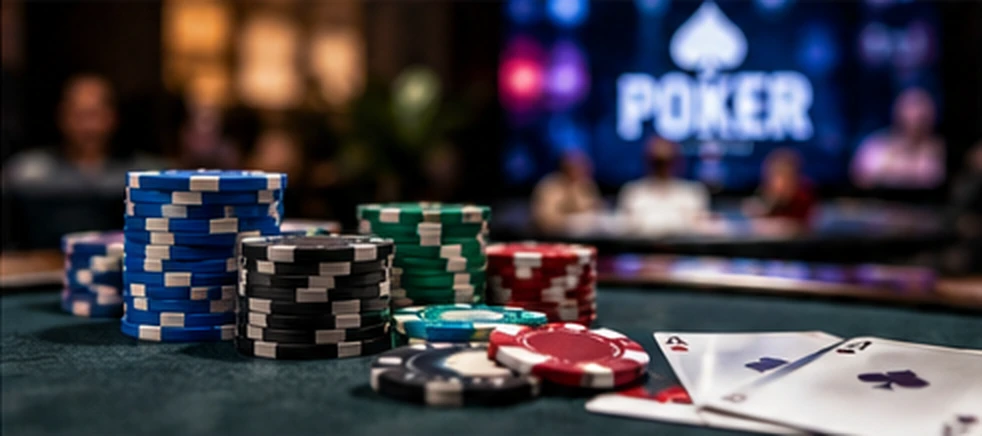
Game of Gold: poker meets survival television
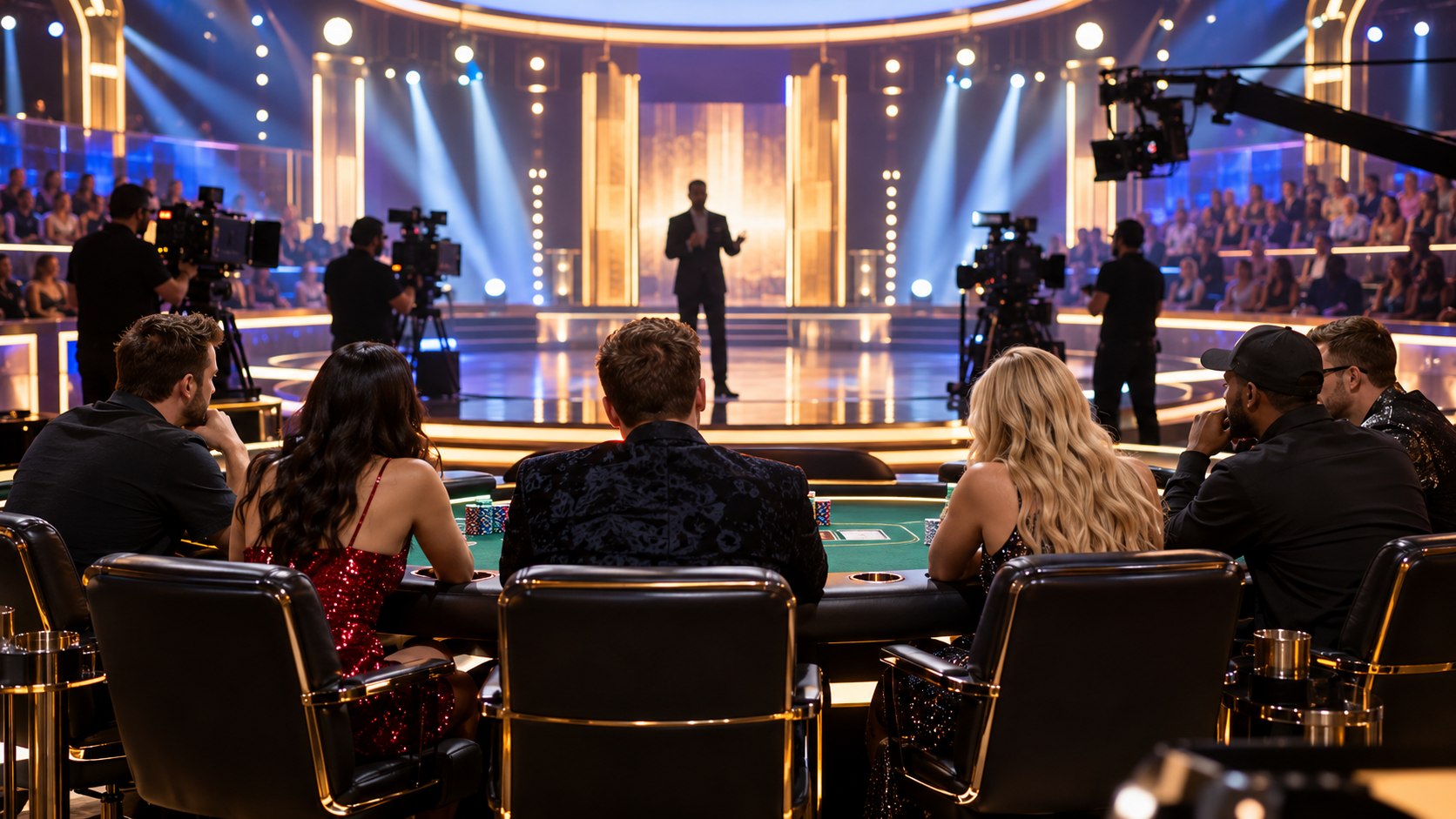
Game of Gold , launched in 2023 by GGPoker in association with Poker After Dark , provides one of the strongest matches for the phrase “gambling reality show”. Sixteen poker players compete over 12 episodes in Seoul, with Ali Nejad presenting and a US$456,000 winner's prize announced at launch. Its rounds combine poker formats, including heads-up games and sit-and-go play, with the pressure of reality-show elimination. Players including Daniel Negreanu, Jason Koon, Maria Ho and Fedor Holz bring established poker reputations into a format where group dynamics also matter.
Unlike a regular poker broadcast, Game of Gold ties each round to survival in the show. Alliances and changing teammates alter the pressure on players, alongside familiar decisions about bluffing and hand selection. Its announced winner’s prize does not mean every entrant personally staked that sum.
2 Months $2 Million: the bankroll is the plot
2 Months $2 Million followed four young online poker players in Las Vegas as they tried to reach an ambitious collective winnings target. Instead of treating poker as an occasional challenge, the programme built its narrative around the group's daily routines, wins, losses and the volatility of playing for money. Its premise made bankroll management unusually visible: a strong session could advance the goal, while a downswing could erase progress.
That ambitious on-screen target says little about what a casual player could earn. Producers can condense hours of ordinary play into a few turning points; the players’ skills and capacity to absorb losses matter far more than the edited highlights suggest.
I Bet You: prop bets and personalities
I Bet You brought poker personalities Phil Laak and Antonio Esfandiari into a programme built around unusual wagers and competitive challenges. These proposition bets , often shortened to “prop bets”, differ from a regulated casino game or a standard poker tournament: the participants are betting on the outcome of a specific task or event. That makes the format accessible even to viewers who do not know Texas Hold'em rules, although it also blurs the line between harmless dares and financial risk.
Rob and Amber: Against the Odds and Money Talks
Rob and Amber: Against the Odds followed reality-TV personalities Rob Mariano and Amber Mariano as Rob pursued professional poker in Las Vegas. Their existing fame from Survivor and The Amazing Race made the programme as much about relationships, expectations and pressure as it was about the cards.
Money Talks follows sports handicapper Steve Stevens and the business of selling betting predictions. A televised winning pick is not the same as independently audited long-term returns, regardless of how convincing the presenter sounds.
Casino reality shows: the people behind the tables
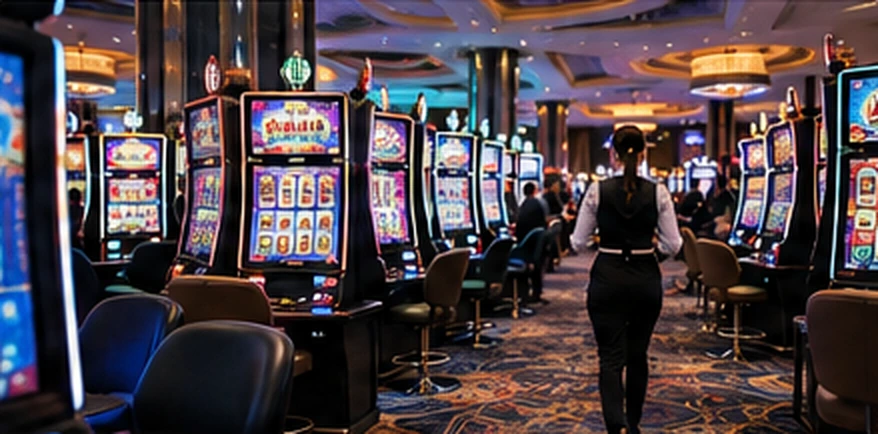
Casino crews record blackjack, roulette, poker and slot-machine floors, but the real story is often operational: dealers handling disputes, surveillance teams monitoring the premises and managers balancing service with security.
| Programme | Setting or focus | What viewers see |
|---|---|---|
| American Casino | Green Valley Ranch, Nevada | Casino employees, management and guest-facing operations |
| The Casino | Golden Nugget, Las Vegas | Owners, commercial decisions and everyday casino life |
| Casino Confidential | Binion's, Las Vegas | Behind-the-scenes activity at a historic gambling property |
| Vegas Stripped | South Point, Las Vegas | Staff and operational challenges beyond the gaming floor |
| Caesars 24/7 | Caesars Palace, Las Vegas | Hospitality and high-pressure resort operations |
Casino Diaries and other behind-the-scenes productions extend the same observational tradition. Programmes such as Rehab: Party at the Hard Rock Hotel shift further towards resort nightlife; their presence around a casino should not be mistaken for a detailed account of gambling itself. Similarly, Louis Theroux: Gambling in Las Vegas is better described as an observational documentary than an elimination-based reality competition. Its relevance lies in the gamblers' personal experiences, not a contest format.
A security confrontation makes for good footage. It reveals little, though, about how often incidents occur, whether a casino is profitable or what a typical customer loses.
How televised poker differs from reality competition
High Stakes Poker and Poker After Dark are essential to the history of gambling on television, but both primarily showcase poker being played rather than a cast completing producer-designed reality tasks. They have featured well-known names including Doyle Brunson, Sam Farha and Johnny Chan. A cash game, where chips generally represent money in play, differs from a tournament, where entrants compete through a structured field for prizes.
Other neighbouring formats include Late Night Poker , The Big Game , Poker Night in America , No Gamble, No Future , The Shark Cage , Celebrity Poker Showdown and Celebrity Poker Tour . The World Series of Poker , World Poker Tour and NBC National Heads-Up Poker Championship are primarily poker events presented for television. Their value to viewers is the actual competitive play, even when commentary, player profiles and editing add storytelling.
If the choice is between Game of Gold and High Stakes Poker , the question is simple: do you want eliminations and team dynamics, or extended cash-game decisions? For casino working life rather than poker hands, try American Casino .
Why gambling works as reality-TV drama
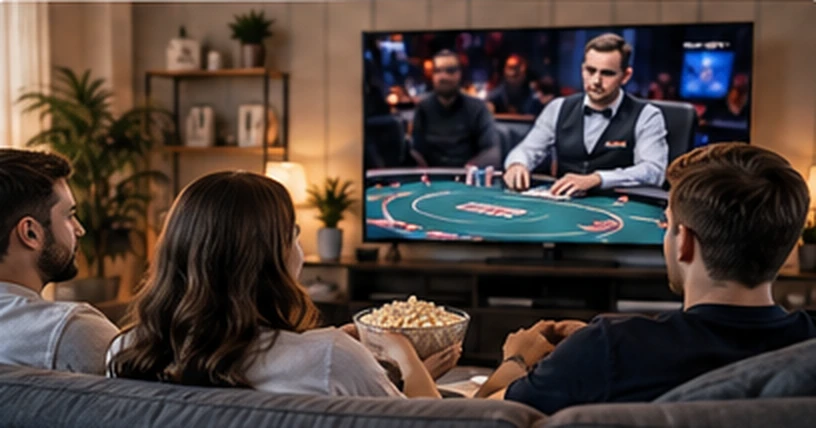
Poker hands already contain suspense: players act with incomplete information, commit chips and wait for a result. Sports betting turns predictions into a visible win or loss. Casino reality programmes find their conflicts in customer expectations and house rules. Editing, interviews and reaction shots determine how much of that tension reaches the screen.
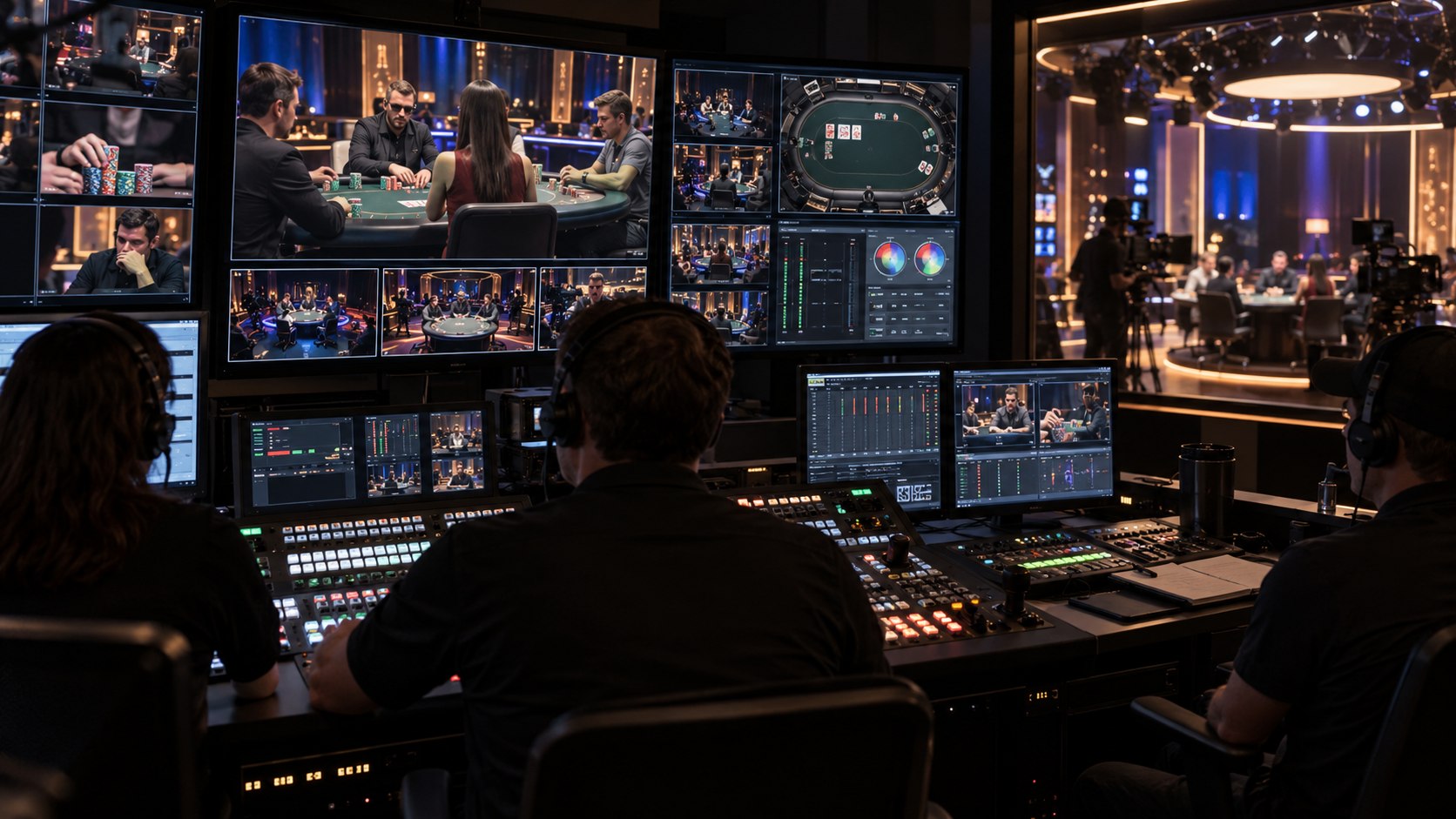
Editing also distorts the balance of risk. An exceptional win may get several minutes; dozens of unremarkable losing hands may disappear. A confident-looking player might simply have folded most of the difficult spots that were cut. Production teams control the filming, casting and challenges without necessarily controlling the outcome of a hand.
Three questions put the action in perspective: who supplied the money, what determined the result, and which hands or sessions were omitted? Competing for a producer-funded prize is not financially equivalent to gambling from a personal bankroll. Nor does one spectacular bluff establish a profitable strategy.
Are gambling reality shows real or scripted?
Unscripted does not mean unedited. The cards may fall fairly even if producers choose the cast, record interviews later and assemble events into a dramatic sequence. Casino crews can film genuine incidents while leaving routine shifts on the cutting-room floor.
It also matters whether a programme depicts a real event or fictionalises the gambling world. Las Vegas , Luck , Tilt and Poker Face are scripted television; Kakegurui is fictional anime. They can be entertaining portrayals of casinos, risk and strategy, but they are not evidence of how real gambling contestants or casino employees behave.
What New Zealand viewers should know

Most programmes associated with this genre were produced overseas, particularly in the United States. A programme's US broadcaster, such as NBC, Discovery, FOX, Bravo, A&E or the Travel Channel, is not proof of present-day availability on a New Zealand streaming service. Rights, territories and catalogue listings change; check the current local provider listing before subscribing to watch a particular series. Poker-focused material may also be distributed through dedicated services such as PokerGO or official video channels.
For New Zealand viewers, watching a poker programme and placing a bet are separate acts. The Gambling Act 2003 , administered by the Department of Internal Affairs, governs gambling activities and contains advertising restrictions. The Advertising Standards Authority’s Gambling Advertising Code addresses socially responsible promotion and gambling harm. A casino appearing in a documentary is not automatically an advertisement; a paid promotion or invitation to gamble deserves separate scrutiny. As online gambling rules change, check current official guidance rather than relying on an old streaming-era explainer.
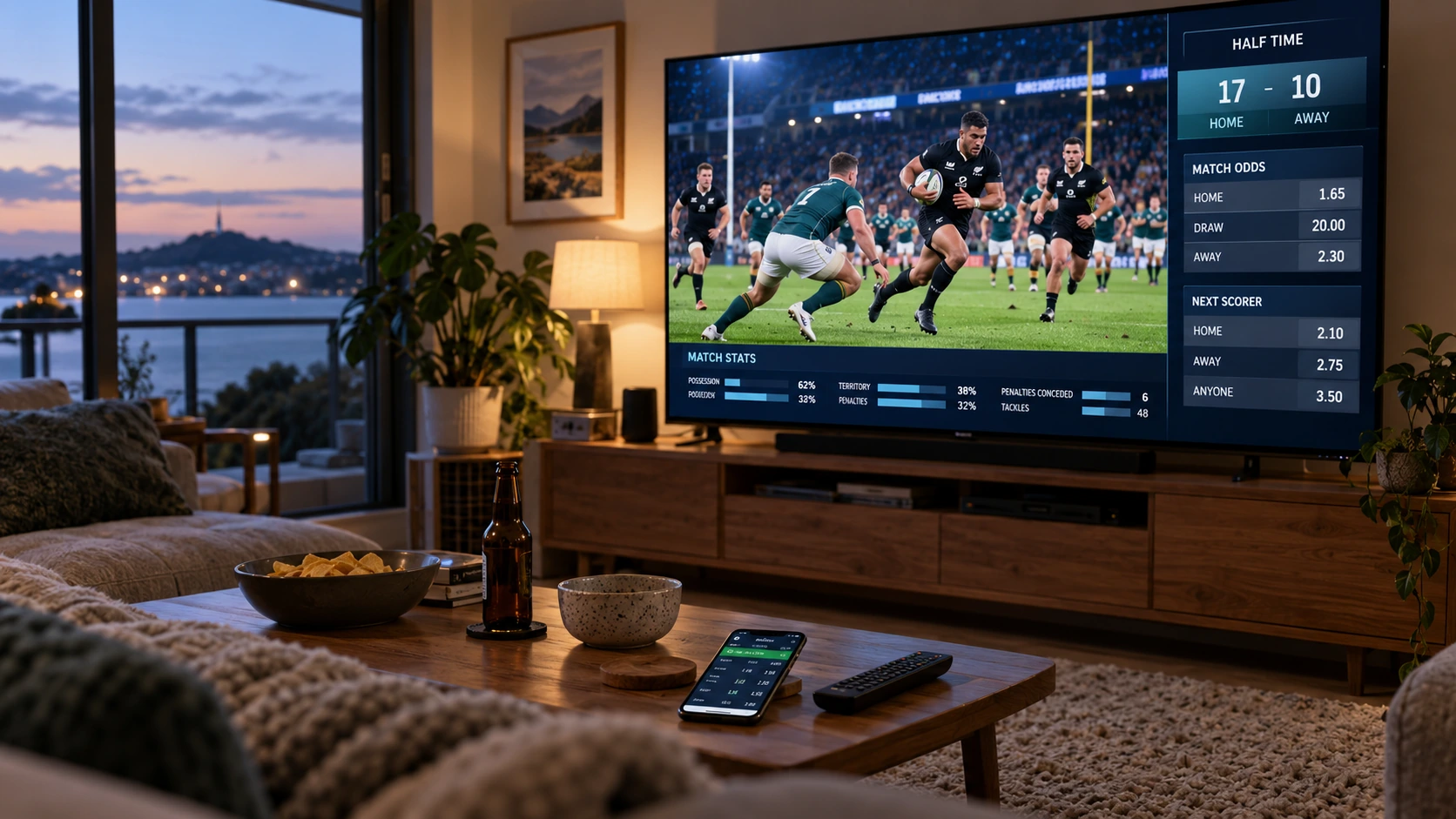
A show about gambling is not permission to bet on its winner. Whether a particular reality-TV market can lawfully be offered in New Zealand depends on the operator, product and rules in force. An offshore betting promotion is not evidence of local legality or availability.
Does watching gambling encourage people to gamble?
A large win makes memorable television; losses and financial circumstances rarely get the same screen time. That uneven picture may shape viewers’ impressions, although it cannot establish that every viewer will gamble or that any one series causes harm.
Poker skill cannot prevent every losing session. Roulette and slots have a mathematical house advantage, whatever a highlight reel shows. And a confident betting tip is still a prediction, not a guarantee - especially when a programme presents gambling as an easy route out of financial pressure.
With younger viewers, ask who has actually put money at risk and whether the programme shows losses as clearly as wins. Anyone unsettled by gambling scenes can choose casino-workplace documentaries or non-betting competitions instead. For confidential support, New Zealand viewers can contact Gambling Helpline New Zealand .
Which gambling reality show is worth watching?
- For a true reality-competition structure: start with Game of Gold ; poker decisions directly affect progression and elimination.
- For the pressure of real-money poker: try 2 Months $2 Million , then compare it with the more game-focused High Stakes Poker .
- For players' personalities and unusual wagers: look at I Bet You or Rob and Amber: Against the Odds .
- For working casino life: choose American Casino , The Casino , Casino Confidential or Vegas Stripped .
- For a more reflective view of gambling's human cost: consider the documentary Louis Theroux: Gambling in Las Vegas .
Choose by what you want to observe: personal financial exposure, elimination under producer-set rules, or the day-to-day work of a casino. The number of chips on screen tells you much less.
Frequently asked questions
Do contestants use their own money?
It depends on the format. A cash-game programme may show a player’s own bankroll; a reality competition may offer a production-funded prize. A headline prize is not proof that contestants risked the equivalent amount.
Is Game of Gold a reality show or a poker tournament?
It mixes both. The poker hands are part of an elimination-based series with a cast and episodic survival rules, unlike straightforward tournament coverage.
Is every casino show about gambling strategy?
No. American Casino and Casino Confidential spend much of their time on staff and operations. Poker After Dark is closer to sustained poker gameplay.
Can viewers in New Zealand bet on reality-show results?
Not necessarily. A televised outcome does not confirm that betting on it is legal or available in New Zealand. Check the current rules and the particular operator; offshore advertising is not authoritative guidance.