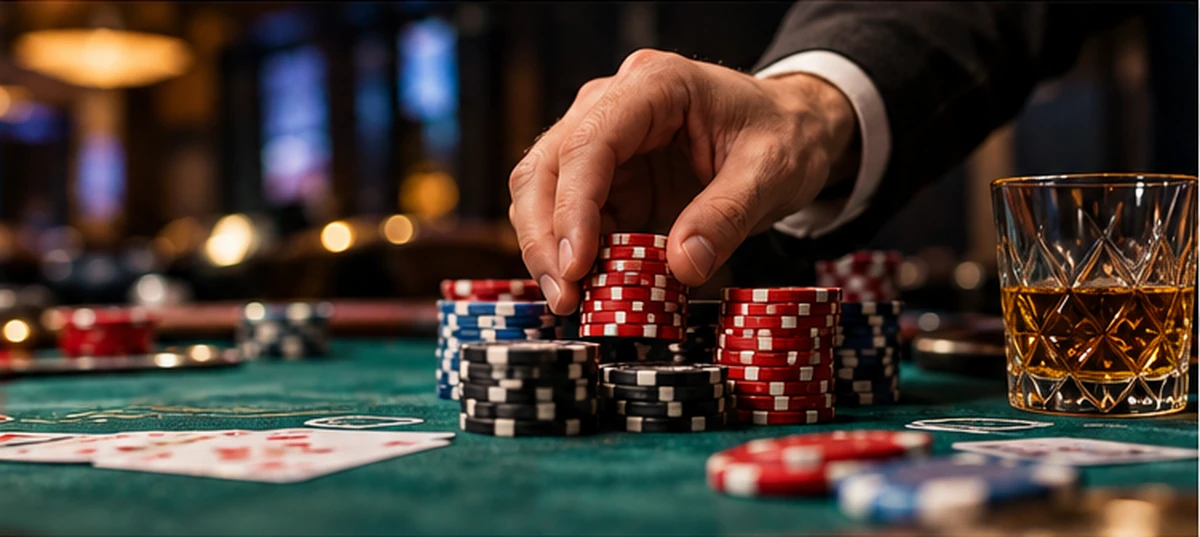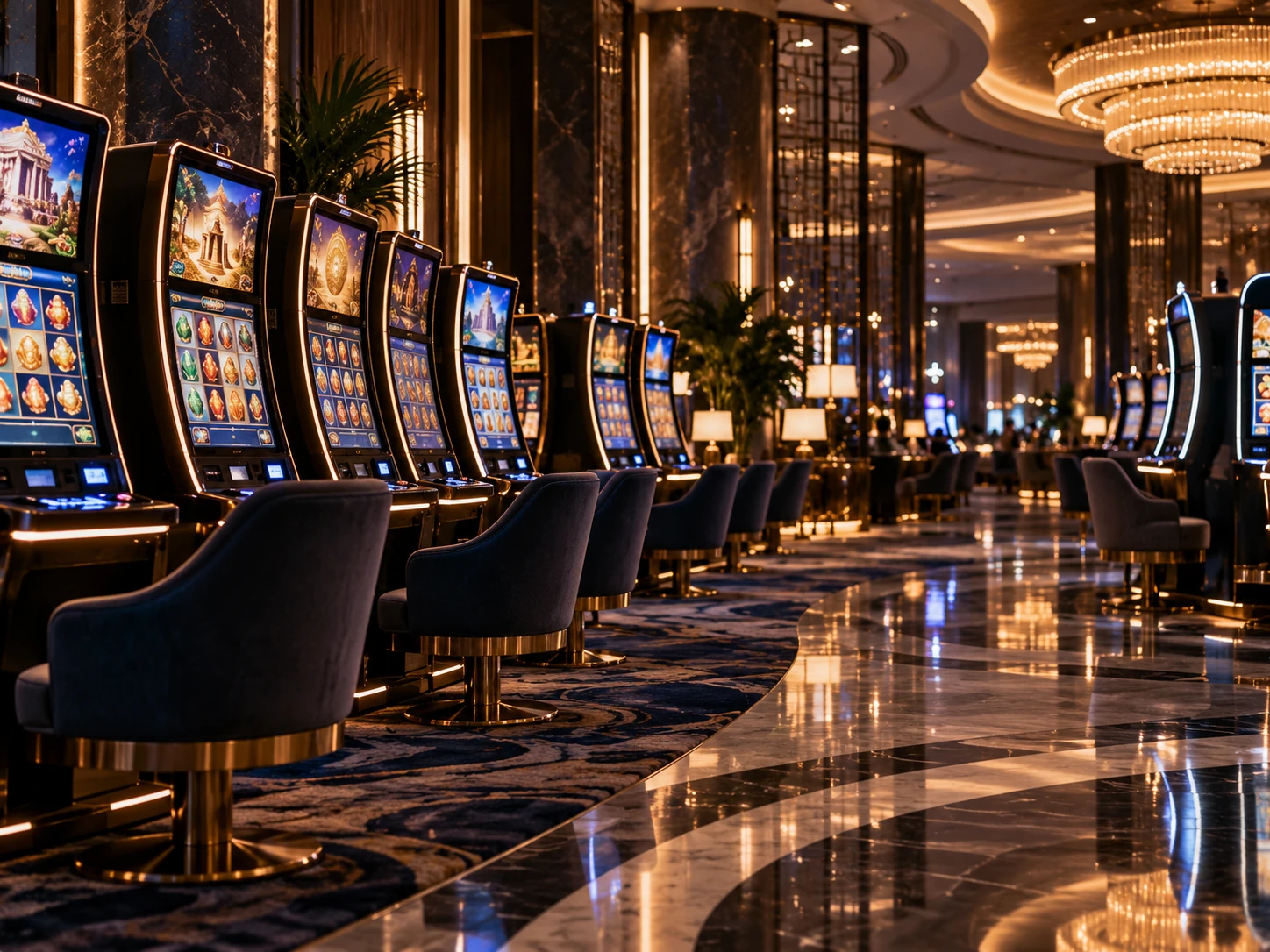
Films such as the Safdie brothers' Uncut Gems (2019) and Richard Kwietniowski's Owning Mahowny (2003) portray gambling harm in different ways. Comparing those stories with public-health guidance can show where a film depicts familiar experiences and where it uses dramatic shortcuts.
The Clinical Reality
Problem gambling (Gambling Disorder) is classified by the DSM-5 as a behavioural addiction characterised by repeated unsuccessful efforts to control play, chasing losses, and dopamine dysregulation. It is rarely solved by a single miraculous win.
Uncut Gems and the Adrenaline Fix
In Uncut Gems , Adam Sandler delivers an extraordinary performance as Howard Ratner, a New York jeweller entangled in complex sports parlays. What the film captures brilliantly is that Howard is not gambling for the money itself; he is addicted to the chaotic adrenaline rush of the wager.
The film shows Howard moving quickly from one wager to the next, even after a win. That is a dramatic character choice, not a clinical diagnosis. Gambling harm can affect people in different ways; no single film scene captures everyone's experience.

Owning Mahowny: compulsive gambling on screen
Based on the true story of Canadian bank manager Brian Molony, Owning Mahowny presents perhaps the most clinically accurate portrayal of gambling disorder in cinematic history. Philip Seymour Hoffman portrays a quiet, unglamorous bank manager who embezzles millions to fund high-stakes baccarat and craps sessions.
Hoffman's character displays key clinical markers:
- Emotional dissociation: He shows zero emotional reaction when winning or losing hundred-thousand-dollar hands.
- Loss of value perspective: Money ceases to represent food, shelter, or assets; it becomes merely fuel to prolong table time.
- Isolation: He derives no joy from luxury casino perks, rejecting lavish penthouse suites to remain alone at the tables.
| Film Title | Key Psychological Insight | Cinematic Exaggeration | Clinical Authenticity |
|---|---|---|---|
| Uncut Gems (2019) | Anticipatory dopamine addiction | Violent loan shark escalations | Very High (Adrenaline focus) |
| Owning Mahowny (2003) | Dissociative emotional detachment | None (Minimal Hollywood gloss) | Exceptional (Documented case study) |
| The Gambler (1974) | Existential self-destruction | Romanticised fatalism | Moderate (Literary framing) |
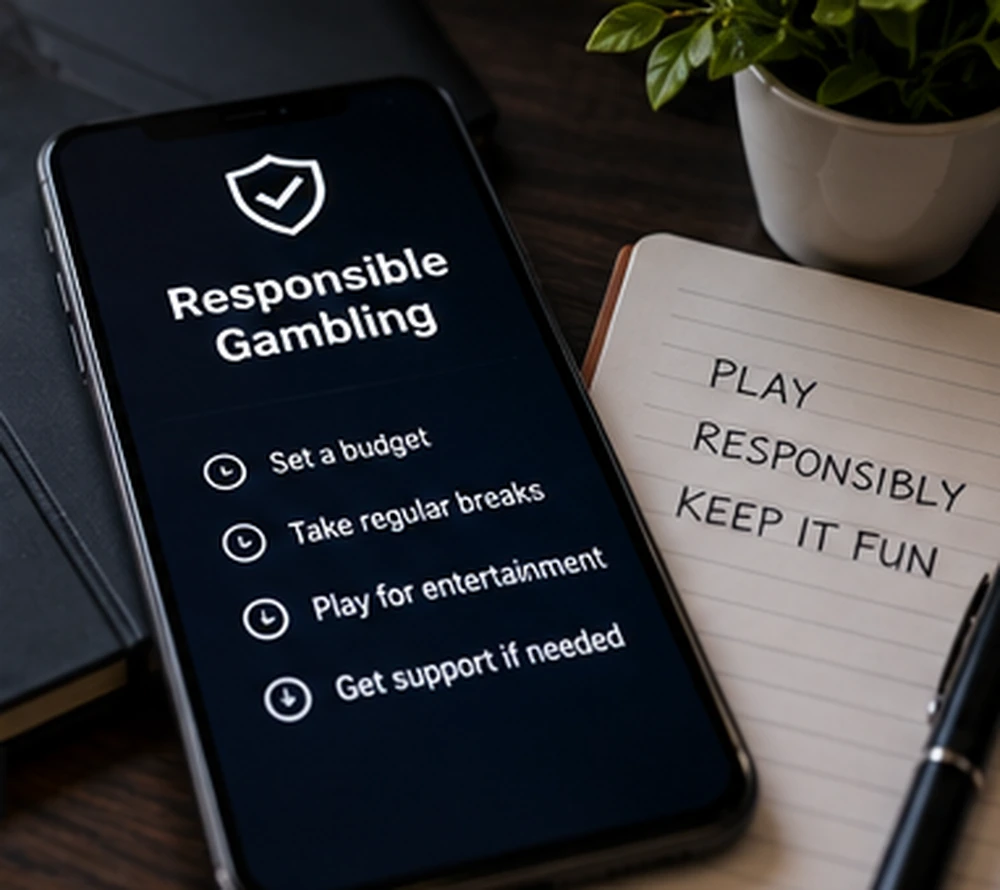
Support Resources in New Zealand
Unlike cinema, real-life gambling harm does not resolve in a climactic third-act twist. In New Zealand, confidential and free assistance is available through certified national services:
- Gambling Helpline NZ: Free 24/7 confidential counselling and support online.
- Problem Gambling Foundation (PGF NZ): Professional therapy, family support, and financial guidance.
- Venue Exclusion Registers: Multi-venue exclusion orders under the Gambling Act 2003 to ban oneself from Class 4 pokie and casino premises.