
Start with Las Vegas for casino-floor drama, Tilt for poker rivalries, High Stakes Poker for genuine cash-game decisions, or Kakegurui for outrageous fictional wagers. They all belong to gambling on television, but offer very different experiences. Some follow casino employees dealing with surveillance and high rollers; others reveal how players bluff, manage risk or lose control. The difference matters more than the number of poker chips on screen.
Which casino TV show fits your mood?
| Show | Format | Why watch it | What to expect |
|---|---|---|---|
| Las Vegas (2003 - 2008) | Scripted drama | Backstage life at a resort casino | Security cases, relationships and glossy escapism |
| Tilt (2005) | Scripted poker drama | Rivalries and manipulation at the table | More crime and character conflict than poker instruction |
| Big Bet (2022 - 2023) | Crime drama | Building and defending a casino business | Organised crime, ambition and consequences |
| Ozark (2017 - 2022) | Crime thriller | Casino operations as part of a money-laundering story | Dark, morally complicated storytelling |
| Kakegurui (2017 - 2019) | Anime thriller | Extreme psychological gambling contests | Stylised fantasy, not real-life betting strategy |
| High Stakes Poker (from 2006) | Unscripted poker | Real players making high-pressure decisions | Texas hold’em cash games and table talk |
| Breaking Vegas (2004) | Documentary | Card counting and casino security | Accounts of real systems, people and countermeasures |
Want a traditional casino setting? Las Vegas is the obvious starting point. To follow real poker hands, try High Stakes Poker or Poker After Dark . Big Bet and Ozark are darker crime stories.
Scripted casino dramas: when the house becomes the story

Las Vegas - the casino workplace drama
The fictional Montecito Resort & Casino sits at the centre of NBC’s Las Vegas . James Caan plays Ed Deline, who oversees security, while Josh Duhamel’s Danny McCoy works alongside him as high rollers, suspected cheats and difficult guests create problems on the casino floor. The surveillance room is almost another character: cameras, staff judgement and competing interests drive the action as often as roulette wheels or blackjack tables.
Security cases and difficult guests keep the plot moving; romantic subplots get nearly as much attention as the gaming floor. Expect escapism, not a lesson in casino management.
Tilt - poker as a power struggle
ESPN’s short-lived Tilt places a group of poker players against the ruthless figure known as the Matador, played by Michael Madsen. The story turns bluffing, bankroll pressure and the pursuit of a powerful opponent into a crime-inflected drama. It captures the psychology of reading rivals and protecting secrets, but its confrontations are written for television.
The poker rivalry is entertaining, though the hands serve the plot rather than teach strategy.
Big Bet - a casino empire with a criminal cost
The South Korean series Big Bet , also known as Casino , follows Cha Mu-sik as he rises through the casino world in the Philippines. Choi Min-sik leads a story of influence, loyalty, violence and the cost of retaining control. Unlike a show focused on individual winning hands, its central gamble is the business itself.
Much of the tension comes from the relationships Cha Mu-sik builds and the threats that follow him. There is little emphasis on how casino games work.
Ozark and Sneaky Pete - gambling as a plot mechanism
In Netflix’s Ozark , Marty Byrde’s involvement with casino operations and money laundering ties legal-looking businesses to criminal financial networks. The Missouri riverboat casino matters because it provides a route for the plot, not because the series is about winning at slots or poker. Sneaky Pete , meanwhile, puts a con artist and questions of identity and deception first, with gambling and confidence tricks contributing to the wider atmosphere.
Neither is primarily a casino-floor series. Breaking Bad briefly uses gambling as a cover story; Billions centres on financial risk rather than casino games.
Poker Face - casino roots, mystery format
Rian Johnson’s Poker Face follows Charlie Cale, played by Natasha Lyonne, whose ability to detect lies is central to a case-of-the-week mystery. Her connection to a casino sets events in motion, but the format soon moves beyond the gaming floor. Despite its title, it is not a televised poker competition. Watch it for clever crime puzzles rather than betting action.
Poker TV: watch decisions, not scripted outcomes
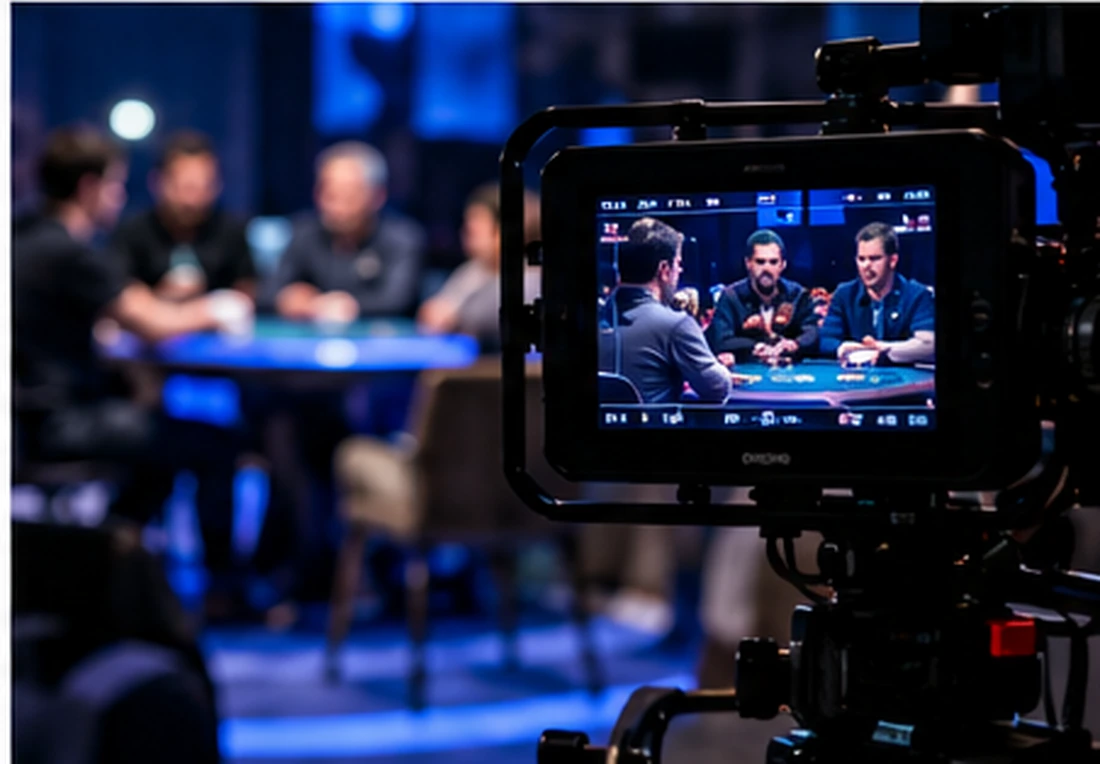
High Stakes Poker and Poker After Dark
High Stakes Poker is built around real cash-game hands, large pots, table conversation and the contrasting styles of professional and wealthy recreational players. The camera can show hole cards that opponents at the table cannot see, letting the viewer understand why a bluff succeeds or fails. That is more instructive than assuming a fictional hero’s improbable comeback represents normal play.
Poker After Dark also features well-known players in televised Texas hold’em, including formats that have changed across its run. It usually feels more contained and conversation-driven than a giant tournament arena. Familiar names from poker’s televised era, such as Phil Hellmuth, Daniel Negreanu and Doyle Brunson, help connect these shows to the broader professional poker scene.
Television favours dramatic hands. That can distort how often spectacular bluffs or comebacks occur, and it says nothing about a viewer’s chances of making money from poker.
World Series of Poker, World Poker Tour and Late Night Poker
The World Series of Poker (WSOP) and World Poker Tour (WPT) make tournament progression part of the appeal: blinds rise, stacks change and surviving players compete for increasingly consequential payouts. Their televised coverage turns poker into spectator sport, complete with commentary, suspense and recognisable champions.
British programme Late Night Poker helped popularise televised hole-card viewing, making formerly hidden strategic decisions legible to audiences at home. Celebrity Poker Showdown instead leans towards entertainment and familiar faces. Newer options such as Game of Gold , Poker Night in America and No Gamble, No Future experiment with a more personality-driven presentation. Viewers wanting clean competitive stakes should start with tournament coverage; those interested in table personalities may prefer cash-game programmes.
Casino reality TV: what happens off-camera?
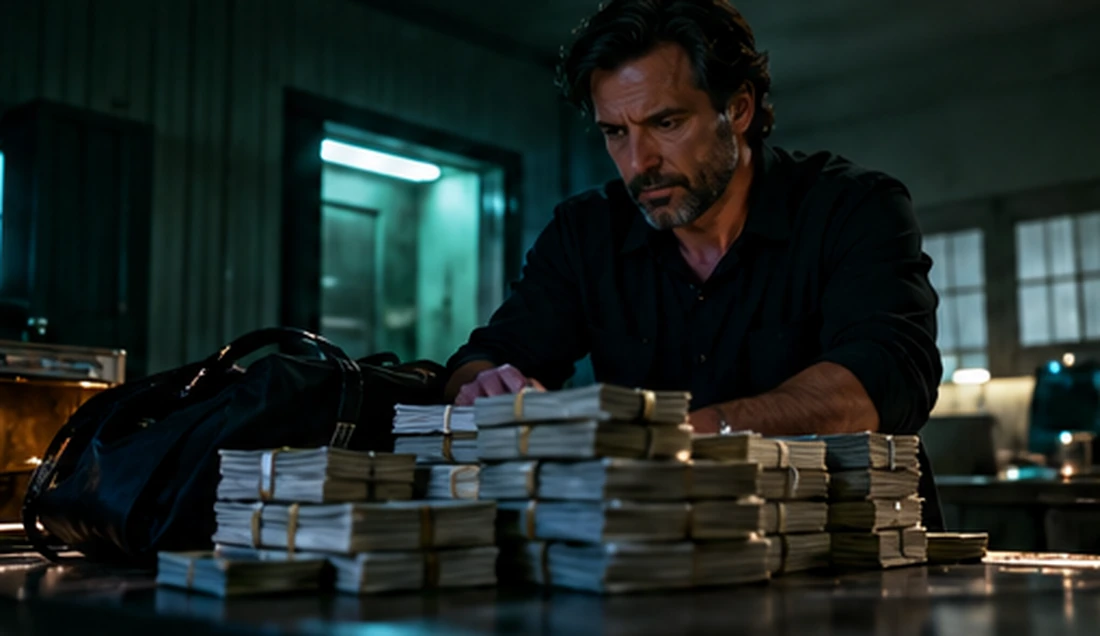
Casino Confidential looks at the busy, sometimes messy operation of a Las Vegas casino, including the employees who deal with security, guests and unexpected incidents. The Casino and American Casino also draw interest from real hospitality operations rather than fictional criminal masterminds. Their appeal lies in the gap between glamorous advertising and the work involved in keeping a property running.
Breaking Vegas approaches the subject from another angle: gambling systems, card counting, people who challenged casino procedures and the industry’s response. Programmes such as Secret Life of a Vegas Casino and Hustlers Gamblers Crooks likewise emphasise backstage practices, deception or the human cost of extreme stakes. Documentary reconstructions and edited reality sequences should still be treated differently from an independent audit of what occurred.
If you are curious about surveillance, VIP hosts and what happens behind the gaming floor, these programmes are closer to that subject than crime fiction.
Anime and international gambling stories
Kakegurui moves gambling into the fictional Hyakkaou Private Academy, where social status is determined by elaborate wagers. Yumeko Jabami’s appetite for risk gives the series its unpredictable edge. Games resemble poker, roulette or card-based contests at times, but the rules and punishments are designed for psychological spectacle. Kakegurui Twin expands the same universe through another student’s experience; the live-action adaptation Bet reworks the premise for a different audience.
Kaiji: Ultimate Survivor takes a harsher direction. Debt, coercion and desperate choices turn each contest into a test of survival. One Outs is baseball-centred rather than casino-centred, yet uses wagers, deception and game theory to tell its story. The connecting thread is gambling psychology, not a realistic depiction of regulated casinos.
British dramas Big Deal and Give Us a Break deal with gambling and hustling outside the modern casino-resort formula. Vega$ and The Player are looser connections: Las Vegas is a setting, not necessarily the subject.
How to watch casino-themed TV shows in New Zealand

Streaming rights differ between New Zealand and the United States, and a series available last month may have moved or disappeared. A US network name such as NBC, ESPN or Peacock is not proof that the corresponding service carries the show in Aotearoa. Check the New Zealand catalogue of JustWatch , then confirm the title, season and price with the actual provider before paying.
- Search the exact title and year. Las Vegas (2003) is not the same as a casino documentary, and Poker Face (2023) is not a poker tournament.
- Check the format. Subscription streaming, rental, episode purchase and an included free stream are different offers.
- Look for original audio and subtitles. Korean-language Big Bet and Japanese-language Kakegurui may be listed with English subtitles or dubbing.
- Confirm age suitability. Many crime dramas and anime contain violence, addiction themes or adult material unrelated to the excitement of cards.
A listing can change without warning. Check the season and language options with the streaming provider before subscribing or paying for episodes.
What gambling shows get wrong about casinos

Drama relies on spectacular winning streaks, memorable bluffs and last-second reversals. In real casino games such as roulette, blackjack and slots, the house edge and game rules matter more than a player’s confidence or a television hero’s intuition. Poker differs because players compete against one another and skill can influence long-run results, but variance, fees and bankroll losses remain real. Card counting, when portrayed in Breaking Vegas , should not be confused with guaranteed winnings or a universal way to beat a casino.
Debt and coercion carry more weight in Kaiji than the sight of a winning hand. The shows are fiction or edited entertainment, not betting advice.
New Zealand also distinguishes gambling entertainment from actual online casino promotion. The Online Casino Gambling Act 2026 commenced on 1 May 2026, with the licensing system being introduced in stages. The Department of Internal Affairs states that online casino gambling advertising is prohibited during the current transition. A TV show about gambling is entertainment; it is not an endorsement of an online gambling service.
Frequently asked questions
What is the best TV series set inside a casino?
Las Vegas is the most direct choice for a fictional casino setting because much of its action involves the Montecito’s staff, security team and guests. Big Bet is a stronger fit if crime and the economics of casino ownership are more appealing.
Are there any TV shows that feature real poker games?
Yes. High Stakes Poker , Poker After Dark , World Series of Poker coverage and World Poker Tour are based on genuine play. Cash games and tournaments follow different structures, so check which format interests you.
Is Kakegurui about real casino gambling?
No. Kakegurui is a fictional anime about students using exaggerated wagers to determine status at an elite academy. It explores risk and manipulation but should not be treated as a reliable description of casino rules or probabilities.
Is Poker Face a gambling show?
Only partly. Its protagonist has casino connections, and the title alludes to concealing information, but the main attraction is a travelling murder-mystery format rather than poker gameplay.
Which casino shows suit non-players?
Try Las Vegas for character-driven escapism, Big Bet for organised-crime drama or Casino Confidential for real-world casino operations. None requires an understanding of betting strategy to follow the main story.
For the closest match to casino life, watch Las Vegas ; for realistic televised poker, choose High Stakes Poker ; and for a darker story about the consequences of gambling, try Big Bet or Kaiji . Check New Zealand streaming availability before committing to a season.