
New Zealand does not ban every gambling promotion on television. TAB betting and Lotto NZ adverts can be lawful, but an overseas online casino cannot rely on the same rules. What matters is the product being promoted, who is advertising it and how the message reaches viewers.
Whether a gambling advert can appear during a New Zealand broadcast depends first on the product and operator. Lotto NZ and TAB promotions follow different rules from overseas online-casino advertising. Identify the service being promoted before judging placement, wording or age restrictions.
Which gambling ads can appear on NZ television?
A gambling promotion is not always a 30-second ad. Viewers may see a betting offer in the break, Lotto branding or a paid odds segment inside sports coverage. The ASA considers who controls the message and whether it is advertising, not just where the broadcaster places it.
| Promotion | Practical position in New Zealand | What viewers should check |
|---|---|---|
| TAB sports and racing betting | Advertising can appear, subject to applicable law and advertising standards. | Audience targeting, the betting offer, responsible-gambling messaging and clear labelling. |
| Lotto NZ products | Lottery advertising is distinct from overseas online casino advertising. | How prizes and odds are portrayed and whether the creative appeals to under-18s. |
| Overseas online casino promotion | Not generally permitted to target New Zealand viewers in October 2026. | Whether the advertiser is marketing an online casino to people in NZ. |
| Paid sports “bet breaks” | May count as advertising even when presented alongside sporting commentary. | Separation from editorial coverage, timing, audience data and commercial identification. |
| Gambling-harm public information | Messages solely educating about problem gambling are not gambling ads under the ASA Gambling Advertising Code. | Whether the message actually promotes an operator or gambling product. |
A logo beside a live match is not proof of a breach. Nor does a paid betting message become editorial coverage simply because a presenter delivers it.
Who regulates gambling advertising on TV?
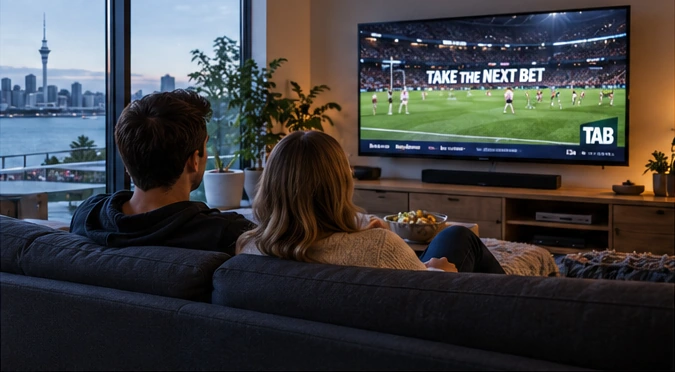
Gambling Act 2003 and the Department of Internal Affairs
The Gambling Act 2003, section 16 , restricts the advertising of overseas gambling, subject to statutory exceptions. DIA administers key aspects of gambling regulation and addresses potentially unlawful promotions. The Online Casino Gambling Act 2026 , which came into force on 1 May 2026, establishes a licensing framework for online casinos and strengthened enforcement powers for unlawful advertising, including takedown notices and substantial pecuniary penalties.
Being accessible from New Zealand does not make an online casino licensed here. DIA expects up to 15 licences and plans to publish a register after licences are issued. Until then, the current advertising prohibition remains relevant.
Advertising Standards Authority and its codes
The ASA assesses advertising content and placement against industry advertising codes. Its Gambling Advertising Code requires a high standard of social responsibility and truthful, balanced claims. The Advertising Standards Code also requires advertising to be identifiable; the Children’s Advertising Code forms part of the wider framework for advertising aimed at children.
The ASA Complaints Board can request withdrawal or amendment after upholding a complaint. It cannot impose statutory fines under the Gambling Act. A misleading TAB advert and a potentially unlawful offshore casino promotion therefore call for different complaints.
What makes a televised gambling ad unacceptable?
An ad can breach the rules because of its claims, imagery, placement or likely audience, even when it names a lawful product.
- Targeting under-18s: Gambling advertisements must not target children or young people. The ASA code defines children as under 14 and young people as ages 14 - 17; both groups are protected by the prohibition.
- Misrepresenting winning: An ad must not exaggerate the likelihood of a payout, misstate prize amounts or suggest that gambling is a reliable solution to financial problems.
- Creating pressure: Advertisements must not encourage excessive gambling, misleading urgency or peer pressure to bet.
- Hiding material conditions: Bonus bets, deposit matches and other offers need understandable terms and conditions, or a clear reference to where those conditions can readily be found.
- Blurring paid content with programming: A sponsored betting segment should be recognisable as an advertisement, not passed off as independent sports analysis.
Take an offer promising “up to $50 in bonus cash”. Viewers need to know who qualifies, whether a deposit is required and which conditions apply. An R18 label or responsible-gambling message will not fix a misleading offer.
Can betting ads run during live sports?
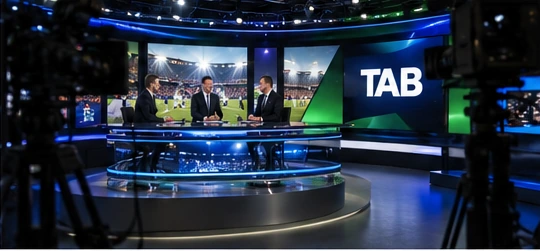
Betting promotion often sits close to televised rugby league, rugby union and horse racing. Odds, pre-match predictions and in-play markets may appear alongside ordinary sports analysis. When a presenter moves from match commentary to a paid betting message, that boundary matters.
A TAB commercial during live sport is not automatically unlawful. The ASA assesses the creative material, likely audience and placement. A family audience is relevant, but a complaint still needs evidence about the programme, the people watching and the ad itself.
In the ASA decision 25/209 , a complaint concerned TAB Bet Breaks before and during a Warriors - Eels rugby league match on Sky Sport. The advertiser and broadcaster cited audience figures indicating that approximately 3% of viewers were under 18. The Complaints Board did not uphold the complaint, finding that the ads did not target children or young people based on the product, presentation and audience evidence. That was a decision on those particular ads, not an advance approval for every future betting segment or sporting broadcast.
Why the age of the audience matters more than the clock

Some viewers assume that any betting ad screened before a certain evening hour is automatically prohibited. The ASA Gambling Advertising Code instead examines the expected average audience and the appeal of the content. Where reliable data exist, the code identifies 25% or more children and young people as a measure that may indicate a significant proportion of the audience. Content with strong youth appeal can raise concerns even without that numerical threshold.
Broadcasters can use Nielsen or comparable audience data when placing adverts. Figures alone will not settle every complaint: animation, youthful imagery, music or a popular player may change an ad’s appeal to children. Children may also watch sport with adults.
Parents can use the controls offered by some on-demand or connected-TV services to limit exposure. Availability varies by platform, and filters do not necessarily remove every gambling promotion.
What changed for online casino advertising in 2026?
New Zealand’s Online Casino Gambling Regulations 2026 set out advertising and marketing restrictions for operators within the new licensing framework. The regulations address methods of publication, sponsored associations, endorsements, affiliate arrangements and other promotional formats. The fact that broadcasting is listed among possible advertising channels for eligible licensed operators is not permission for an unlicensed online casino to buy a television slot now.
Permission to advertise does not automatically permit every campaign format. A broadcast commercial, a team-shirt sponsorship and a paid presenter endorsement can be treated differently. Operators and media buyers need to check both the licensing position and the specific marketing restriction.
Before carrying a campaign, a broadcaster or agency should identify the operator, the gambling product and the operator’s status with DIA. An overseas licence or a familiar international brand is not enough.
What real television complaints reveal
TAB during Coronation Street
In ASA decision 24/013 , a TAB horse-racing promotion appeared during an episode of Coronation Street involving gambling addiction. The complainant considered the juxtaposition inappropriate. The Complaints Board did not uphold the complaint: the content and placement did not reach the threshold for a breach of the Gambling Advertising Code. The decision illustrates why an upsetting coincidence is not automatically a code violation.
Entain and live television
Other ASA cases involving Entain NZ, TAB and the betcha brand address different issues: youth exposure, identifiable advertising and how promotional offers are presented. The Entain TAB live-television decision 25/159 and decision 25/128 demonstrate that a complaint about a sports-related betting ad requires a close look at the particular claims, context and presentation. It is not enough to label every advert featuring betting odds as inherently unlawful.
Lotto NZ campaigns
Lotto NZ, operated by the New Zealand Lotteries Commission, has also been the subject of television and on-demand advertising complaints, including ASA decision 25/085 . Lottery campaigns can raise questions about storytelling, expectations of winning, audience suitability and social responsibility. Their legal classification nevertheless differs from the promotion of an overseas online casino.
How to assess a gambling promotion you have seen
If an advert appears questionable, record these details:
- Identify the gambling product. Is it sports betting, racing, Lotto, a land-based casino or an offshore online casino? The legal framework can differ.
- Identify the media format. Was it a commercial break, an on-demand video, an influencer endorsement, or paid material presented within live commentary?
- Check the audience. Was the programme aimed at children, or could under-18s reasonably form a significant proportion of viewers? Was the creative itself youth-oriented?
- Examine what was promised. Note prize claims, betting odds, inducements, terms and conditions, disclaimers and any suggestion of risk-free gambling.
- Record the evidence. Save the date, approximate time, channel or platform, name of advertiser and, if available, a screenshot or recording.
These details help distinguish a complaint about the content or placement of an otherwise permitted advertisement from a potential statutory breach.
Where to report a television gambling advertisement
For concerns about a gambling advertisement’s content or placement, use the ASA complaints process . Explain the message or scene that concerns you and provide the broadcast details. The ASA asks for identifying information because it cannot assess an advertisement it cannot locate. Complaints are assessed against its codes; an upheld complaint can lead to a request that the advertiser withdraw or change the material.
For suspected unlawful overseas online casino advertising, consult DIA’s advertiser guidance and its gambling regulation channels. DIA, not the ASA, is the appropriate starting point for enforcement questions under the online casino legislation. Complaints solely about the volume or loudness of television commercials generally belong with the broadcaster rather than the ASA.
Gambling harm and the effect of repeated exposure

Repeated betting messages around teams, presenters and sporting events can make gambling seem part of watching a match. That does not prove an individual viewer will gamble. The concern is the cumulative exposure, particularly for young people and anyone already experiencing gambling harm.
The Gambling Advertising Code rules out messages that encourage gambling beyond someone’s means, exploit vulnerability or portray gambling as a solution to financial or personal problems. The full commercial matters, not just its final warning screen.
Anyone affected by gambling can contact the free, confidential New Zealand Gambling Helpline on 0800 654 655 or text 8006 . Support is also available to whānau, friends and others concerned about somebody’s gambling.
Frequently asked questions
Are gambling adverts banned on New Zealand TV?
No. TAB and Lotto NZ promotions may appear when they meet the relevant rules. In October 2026, online casino advertising aimed at New Zealanders remains prohibited before the licensing regime becomes operational.
Can a betting company promote odds during a rugby match?
It can, depending on the operator, audience and message. The ASA did not uphold a complaint about TAB Bet Breaks during a Warriors match, but that finding turned on the evidence in that particular case.
Does an R18 warning make a television gambling ad compliant?
No. R18 wording does not excuse misleading claims or placement that improperly appeals to children or young people.
Are sports sponsorships and TV ads the same?
No. A standalone commercial, a sponsor’s logo, a paid presenter endorsement and an affiliate promotion are distinct formats. The 2026 online casino regulations impose specific restrictions on certain forms of sponsorship, endorsement and affiliate marketing.
Can I complain if my child sees a betting advertisement?
Yes. Give the ASA the channel, programme, date, approximate broadcast time and advertiser. Explain what suggested the ad was aimed at children. A child seeing an ad does not, on its own, establish a breach.
Where can I check the latest rules?
Use the ASA Gambling Advertising Code , DIA online gambling advertising guidance and the official New Zealand legislation . The online casino licensing and advertising position is particularly important to recheck when licences begin to be issued.