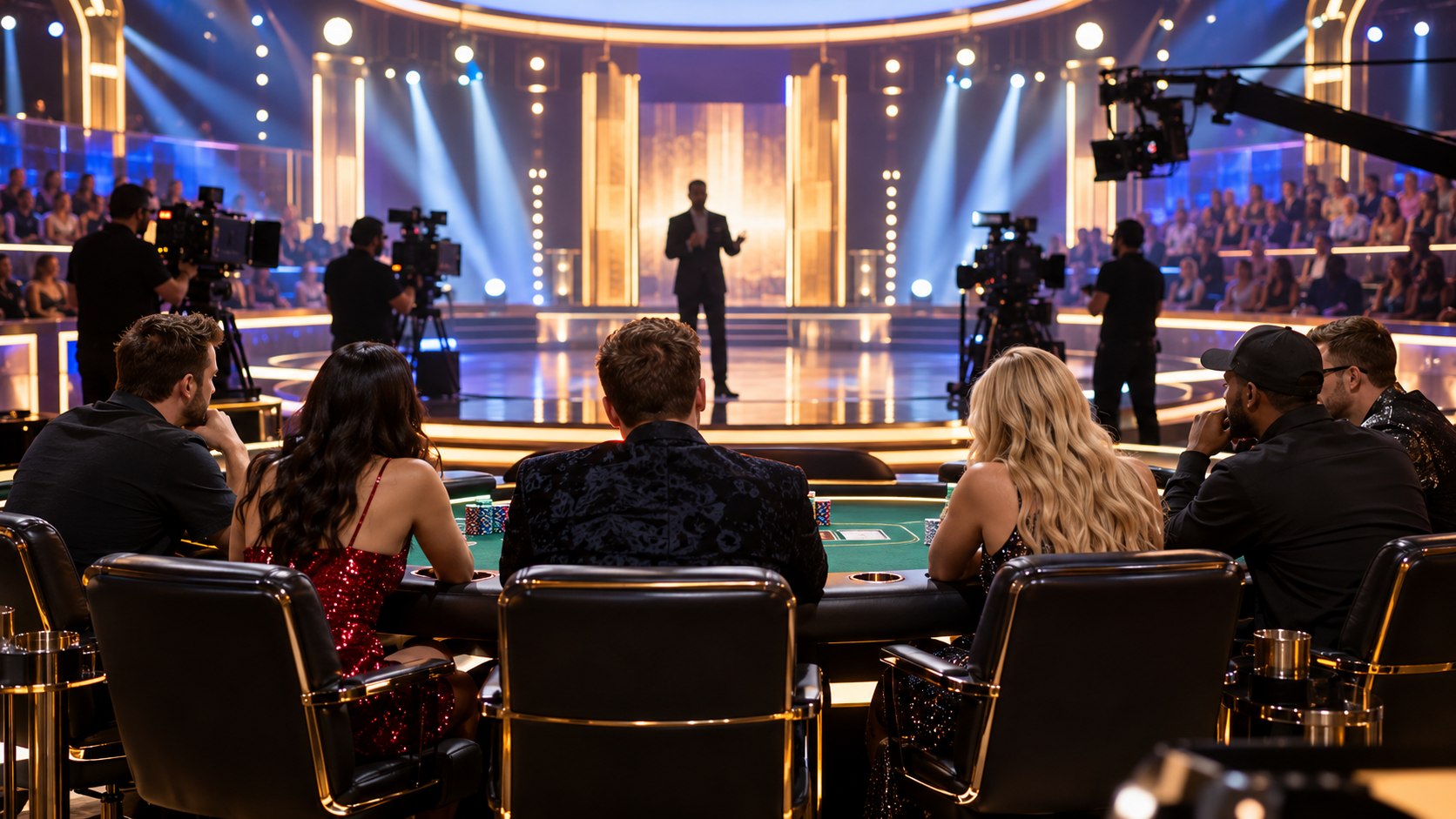
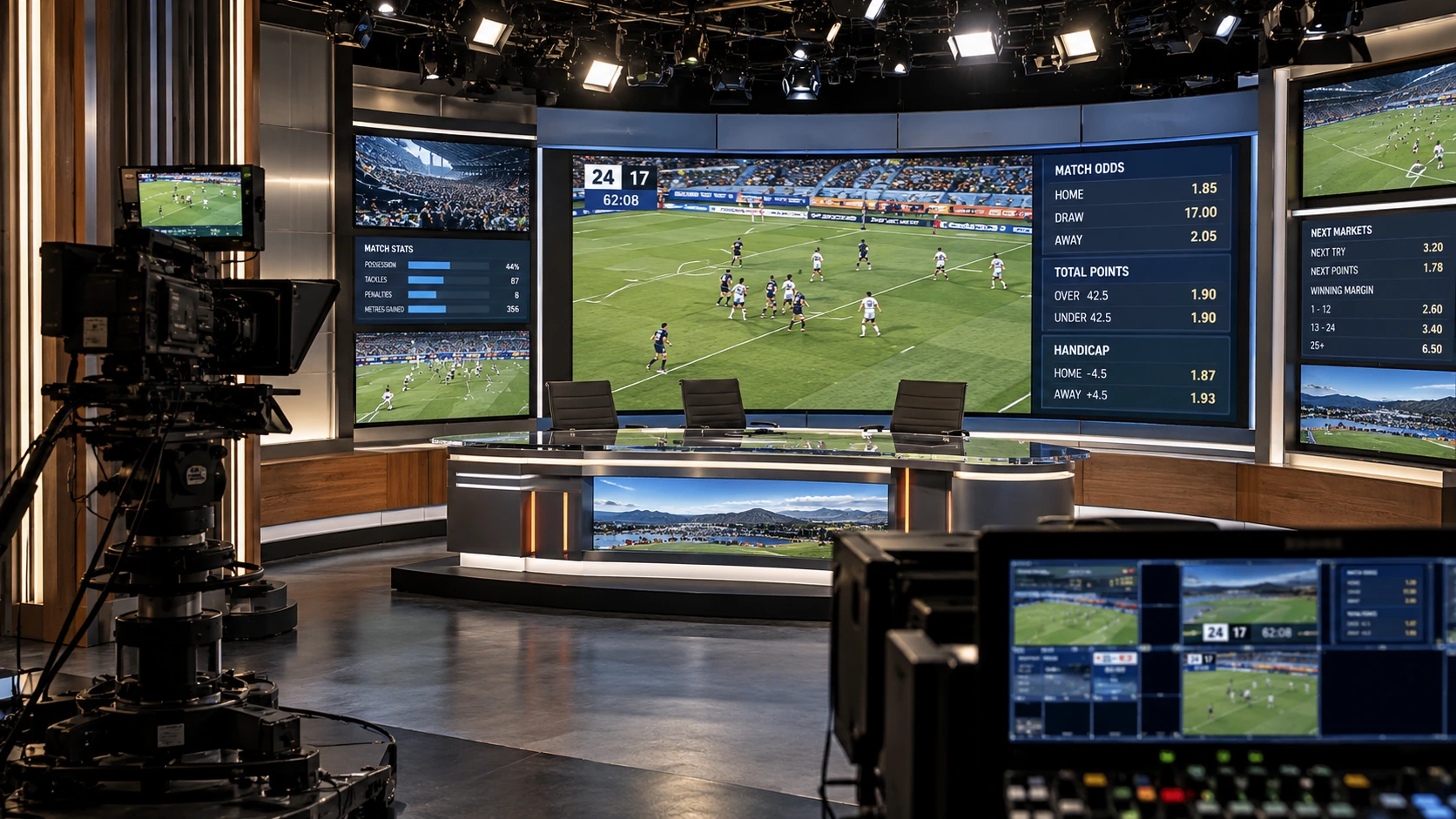
Betting promotion can appear in the middle of a live rugby broadcast, not only during an ad break. A presenter hands over to a bookmaker representative; match odds appear beside the score; half-time analysis turns to possible bets. The questions for New Zealand viewers are who controls that segment, whether its commercial purpose is clear, and who is likely to be watching .
Sponsorship, branded studio discussions, streaming ads and betting apps now overlap. An editorial mention of odds is not necessarily paid promotion; nor does every visible sponsor logo invite viewers to bet. Context matters.
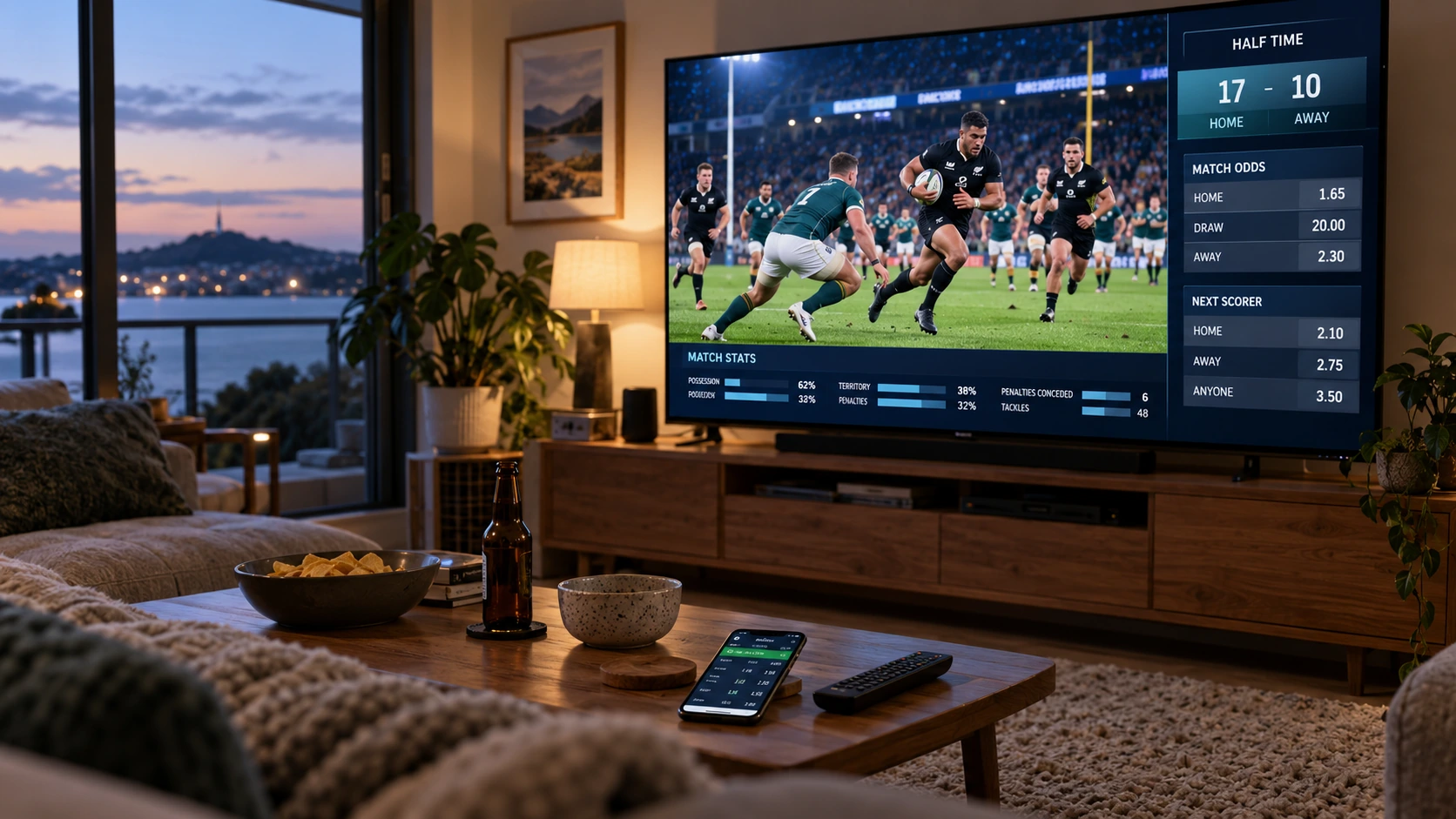
Where betting appears during sports broadcasts
Bookmakers can appear in standard ad breaks or inside the programme itself. Sky Sport and Sky Sport Now, like other live and on-demand services, may carry sponsorship, branded segments and video advertising. What viewers encounter depends on the match and the platform.
| Format | What the viewer sees | What matters |
|---|---|---|
| Commercial break | A distinct betting advertisement between programme segments. | Its placement, claims, age appeal and any stated offer can be assessed separately. |
| Sponsored or advertorial segment | A branded presenter or bookmaker representative discusses odds during pre-game or half-time coverage. | Viewers need a clear signal that the material is advertising rather than independent sports analysis. |
| On-screen graphics | Betting odds, a bookmaker logo or an offer displayed alongside live coverage. | Whether the graphic is promotional depends on its context and who controls it. |
| Stadium and team sponsorship | Pitch-side signage, shirt sponsorship or background branding captured by broadcast cameras. | Incidental visibility differs from a deliberately produced betting promotion. |
| Streaming and connected TV | Video advertisements or sponsor messages in live streams and on-demand viewing. | Audience composition and placement still matter when the screen is not a conventional television set. |
Ask whether the discussion would look much the same without its betting sponsor. Explaining a team’s defence is sports analysis. Steering viewers towards live odds or an app is promotion, even when the two appear in the same segment.
TAB Bet Breaks: a New Zealand example
The relationship between live sports presentation and betting promotion is especially clear in TAB Bet Breaks , discussed in multiple decisions of New Zealand’s Advertising Standards Authority (ASA). In a 2025 complaint concerning live television, the ASA examined segments integrated into Sky sports coverage. The descriptions included a pre-game betting update and a half-time appearance involving a TAB representative and Sky presenters. Commentary about the game sat alongside odds and betting references.
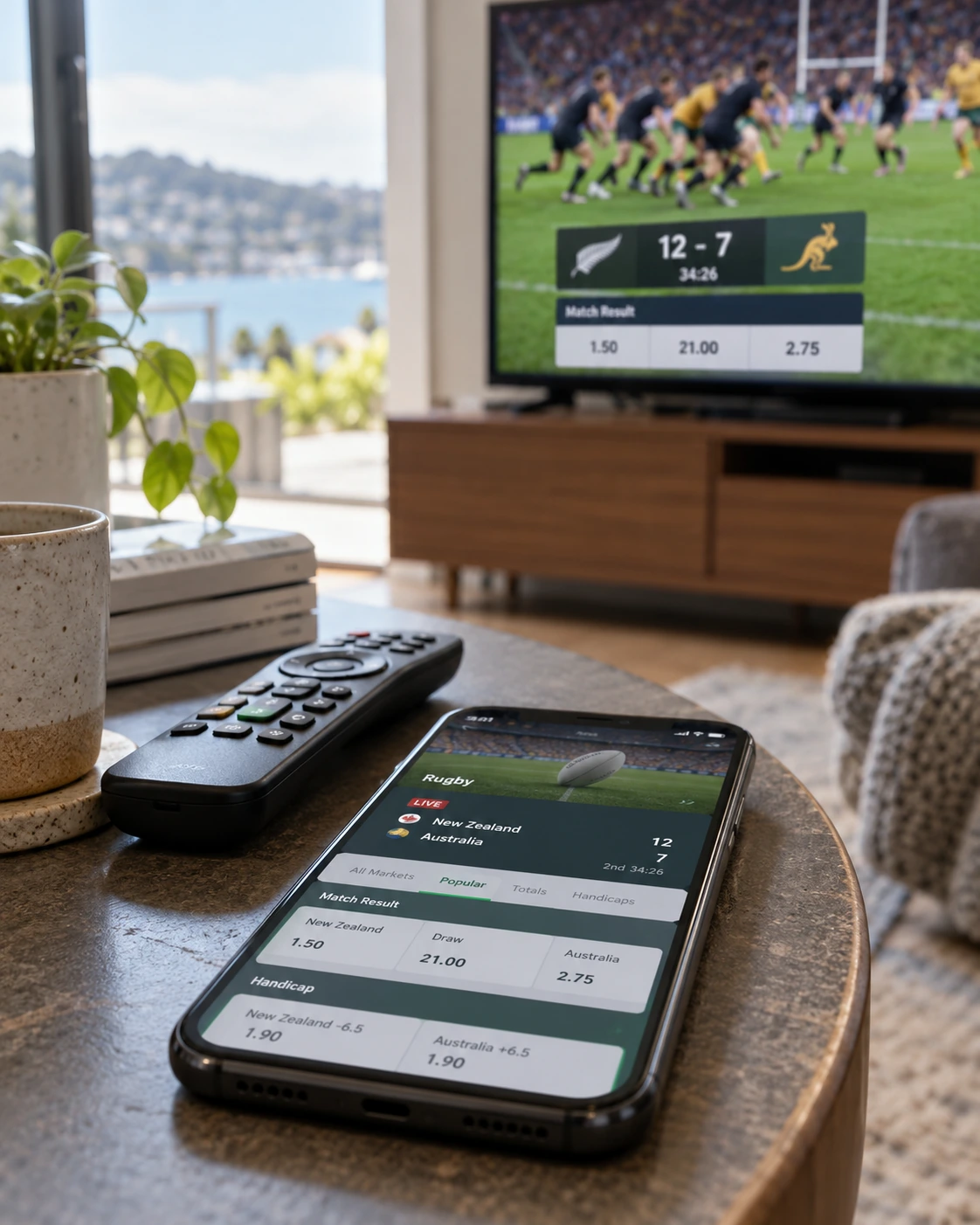
In the ASA material relating to case 25/159 , the broadcaster described practical measures to separate the advertorial from editorial coverage: presenters explicitly introducing the Bet Break, accompanying graphics, visible TAB branding and production choices intended to avoid presenting the betting representative as an ordinary co-presenter. A small logo is not the whole disclosure. The presenter’s handover and the way the segment is filmed also tell viewers whose message they are hearing.
A separate complaint, ASA case 25/209 , raised concerns about children and young people encountering Bet Breaks within live sport. The complaint was not upheld ; the complaints outcome should not be misrepresented as a general prohibition on betting content during New Zealand matches. The case also shows why a family audience changes how an advertorial is assessed.
Former players and familiar sports personalities can make a betting segment sound like routine match commentary. A segment featuring someone associated with the game may carry the tone and credibility of sports commentary even when the betting message is commercially controlled. References to clubs such as the New Zealand Warriors or Parramatta Eels, and to personalities including Israel Dagg or Anthony Gelling, should therefore be understood in the specific context of the broadcast or ASA case rather than taken as evidence that a particular person endorses every TAB campaign.
Who can offer online sports betting in NZ?
The legal setting changed on 28 June 2025 . Amendments to the Racing Industry Act 2020 made TAB New Zealand the only operator permitted to offer online racing and sports betting to people located in New Zealand. The Department of Internal Affairs (DIA) explains that other operators cannot lawfully take or promote those bets to New Zealand customers. The rules also apply to online offers, not just betting shops or traditional television commercials.
TAB NZ operates through its commercial partnership with Entain NZ, with brands including TAB and Betcha. Their market position does not exempt advertising from scrutiny. Commercial messages still need to meet the relevant New Zealand advertising standards. Nor should the legal position for sports and racing betting be confused with separately regulated online casino gambling. A casino promotion, a sports betting advertisement and a simulated gambling product in a video game are related public-health concerns, but they do not automatically fall under identical operator rules.
Before treating a televised betting offer as available in New Zealand, check whether its operator can lawfully accept NZ sports bets and whether the conditions are clear. An offshore website displaying odds for Super Rugby or rugby league should not be assumed to be lawful for NZ customers simply because its advertising or content is accessible online. The DIA’s racing policy guidance and player information distinguish the domestic sports-betting regime from other forms of gambling.
What rules apply to gambling advertising on television?
New Zealand’s Gambling Advertising Code requires gambling advertising to meet standards of social responsibility and truthful presentation. The broader Advertising Standards Code also matters, particularly where paid content might be confused with independent programme material. Advertisers, agencies and media organisations share responsibilities for compliance.
Children, young people and broadcast placement
The code defines children as those under 14 and young people as those aged 14 to 17 . Gambling advertisements must not target either group. Placement decisions should consider content, creative appeal and the expected audience. Where accurate data are available, an expected audience comprising 25% or more children and/or young people is one indicator of a significant proportion; it is not a universal rule that any live sporting event with a child viewer automatically breaches the code.
Audience estimates matter because sport is often co-viewed in whānau and households. Rugby union, Super Rugby, rugby league and major football events can attract adults and under-18 viewers at the same time. A broadcaster or advertiser assessing placement needs to consider the particular fixture, time slot and audience evidence rather than assume that sport is solely adult entertainment.
Claims, urgency and presentation
Gambling advertisements must not exaggerate the likelihood of winning, suggest betting is a remedy for financial problems or create misleading pressure to act immediately. Promotional offers, bonus bets and the terms of a same-game multi can be complex. Their appearance in a fast-moving broadcast does not remove the obligation to present material claims truthfully and to make conditions accessible.
A quick spoken “bet responsibly” message may form part of a promotion, but it does not by itself resolve concerns about targeting, placement, misleading claims or poor separation from editorial content. ASA decisions evaluate the advertisement in context, including what an ordinary viewer is likely to take from it.
Why live odds change the viewing experience
Match commentary explains the play. A betting update assigns a changing price to possible results. An early try, a card or an injury can move the odds while the game is still on.
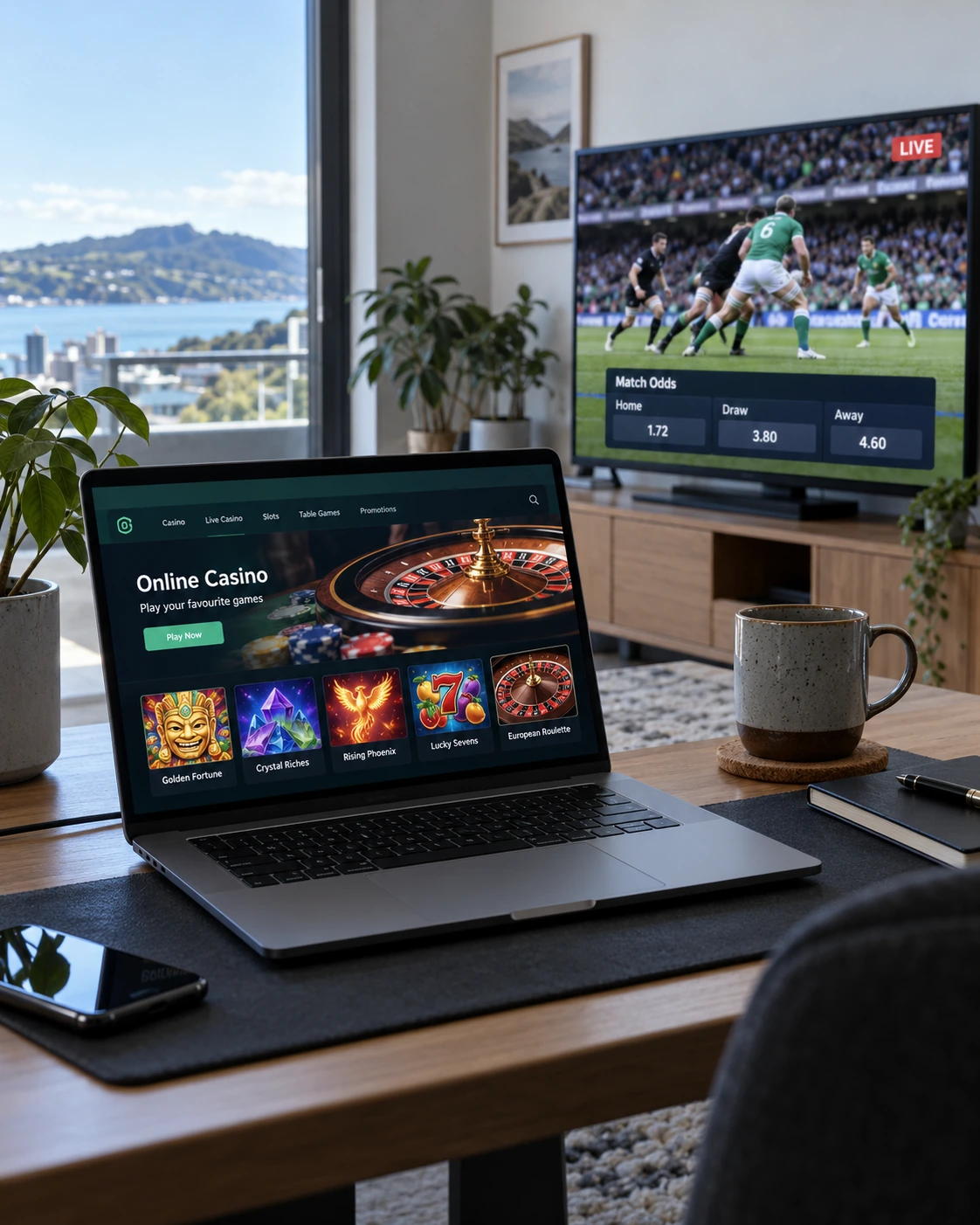
Odds can change what viewers pay attention to. A late try becomes a possible payout as well as a sporting moment. Repeated sponsor appearances across the build-up, ad breaks and half-time can make wagering seem inseparable from following a team. A phone makes it easy to move from seeing a price to opening an app. None of that proves a particular broadcast caused someone to gamble or experience harm.
The type of bet matters too. A pre-match wager on a result is not identical to in-play betting while the contest unfolds. Same-game multis combine several selections in one bet, potentially creating an attractive headline payout while lowering the chance that every leg succeeds. A bonus-bet promotion introduces separate conditions and should not be interpreted as the same thing as cash. Sports knowledge and familiarity with teams do not eliminate financial risk.
Is sports betting advertising harmful to young viewers?
Seeing a gambling message is not the same as experiencing gambling harm. New Zealand’s Ministry of Health published research on children’s exposure to gambling and gambling marketing in December 2025. It found that children encounter gambling-related content across online games, social media and other digital environments. That research is useful context for cross-platform exposure, but its online-exposure measures should not be quoted as if they were television sports-advertising frequencies.
The concern with television sport is that advertising may sit beside trusted team symbols, a high-profile commentator or a familiar presenter. Young viewers may see the commercial message without applying the same distinction an adult makes between independent analysis and promotion. Broadcasters should be able to explain how they identified paid content, assessed the likely audience and checked whether the creative appeals to minors.
Concern about gambling normalisation is also raised by public-health advocates, including the Problem Gambling Foundation. That concern should not be turned into an unsupported claim that one match advertisement causes problem gambling.
How New Zealand compares with Australia
Australian sporting coverage offers a familiar comparison because rugby league, AFL and other competitions cross media and fan cultures. Australia’s Australian Communications and Media Authority (ACMA) has specific restrictions on gambling advertising around live sport, including rules related to timing and children’s viewing periods. Those are Australian requirements ; their precise time windows must not be copied into a description of New Zealand law.
For a New Zealand broadcast, the correct starting points are the ASA’s advertising codes and relevant NZ legislation, not an assumed Australian blanket ban. Australian rules are a policy comparison, not a compliance checklist for NZ channels.
How to recognise advertising inside a sporting programme
- Look for a handover. Does a Sky presenter introduce a TAB-branded segment or identify the speaker as a bookmaker representative?
- Check the on-screen treatment. Sponsor graphics, distinctive visual framing and persistent TAB branding can indicate an advertorial rather than ordinary editorial content.
- Listen for the purpose. Analysis of players and tactics may be editorial; encouragement to consider live odds, app features or promotional offers signals a commercial message.
- Check the conditions. When a promotion mentions bonus bets or a special price, examine eligibility, expiry and other terms before drawing a conclusion about value.
- Assess the viewing context. If children are present, consider switching streams or using available ad controls where the platform permits. Not all sponsor logos or live graphics can be removed.
Where a broadcast appears to blur editorial and commercial material, viewers can record the fixture, channel or streaming service, date, approximate time, wording and screenshots, then consider a complaint to the Advertising Standards Authority . The ASA assesses complaints under applicable codes; the fact that a viewer dislikes betting advertising alone does not establish a breach.
Questions New Zealand viewers often ask
Can TAB promote betting during a live rugby match?
Betting advertising is not automatically prohibited simply because a match is live. The specific advertisement and its placement must comply with New Zealand advertising requirements, including rules about under-18 audiences, social responsibility and truthful presentation. ASA decisions involving Bet Breaks show that the facts of each broadcast matter.
Are betting odds the same as sports stats?
No. A score, possession figure or injury update describes the contest; betting odds express market prices on outcomes. Odds can appear in journalism, but an advertiser-controlled update promoting a betting operator is commercial material. Sponsorship and clear identification are central to distinguishing the two.
Do on-demand services follow ad standards?
No. The ASA Gambling Advertising Code applies to gambling advertising across media, and streaming or on-demand delivery does not automatically remove the need for appropriate content and placement. Advertising formats and audience evidence may differ across services.
Can overseas bookmakers advertise in NZ?
The 2025 changes to the Racing Industry Act restrict the promotion and taking of racing and sports bets from people located in New Zealand to TAB NZ. The DIA provides current guidance on the scope of that restriction. This is distinct from rules for online casino products.
What if sports betting is affecting someone in my household?
Support is available even without a formal diagnosis or a large financial loss. New Zealand’s Gambling Helpline can be reached on 0800 654 655 or by texting 8006 . Families and whānau can also seek information and assistance through Safer Gambling Aotearoa .
The distinction that matters
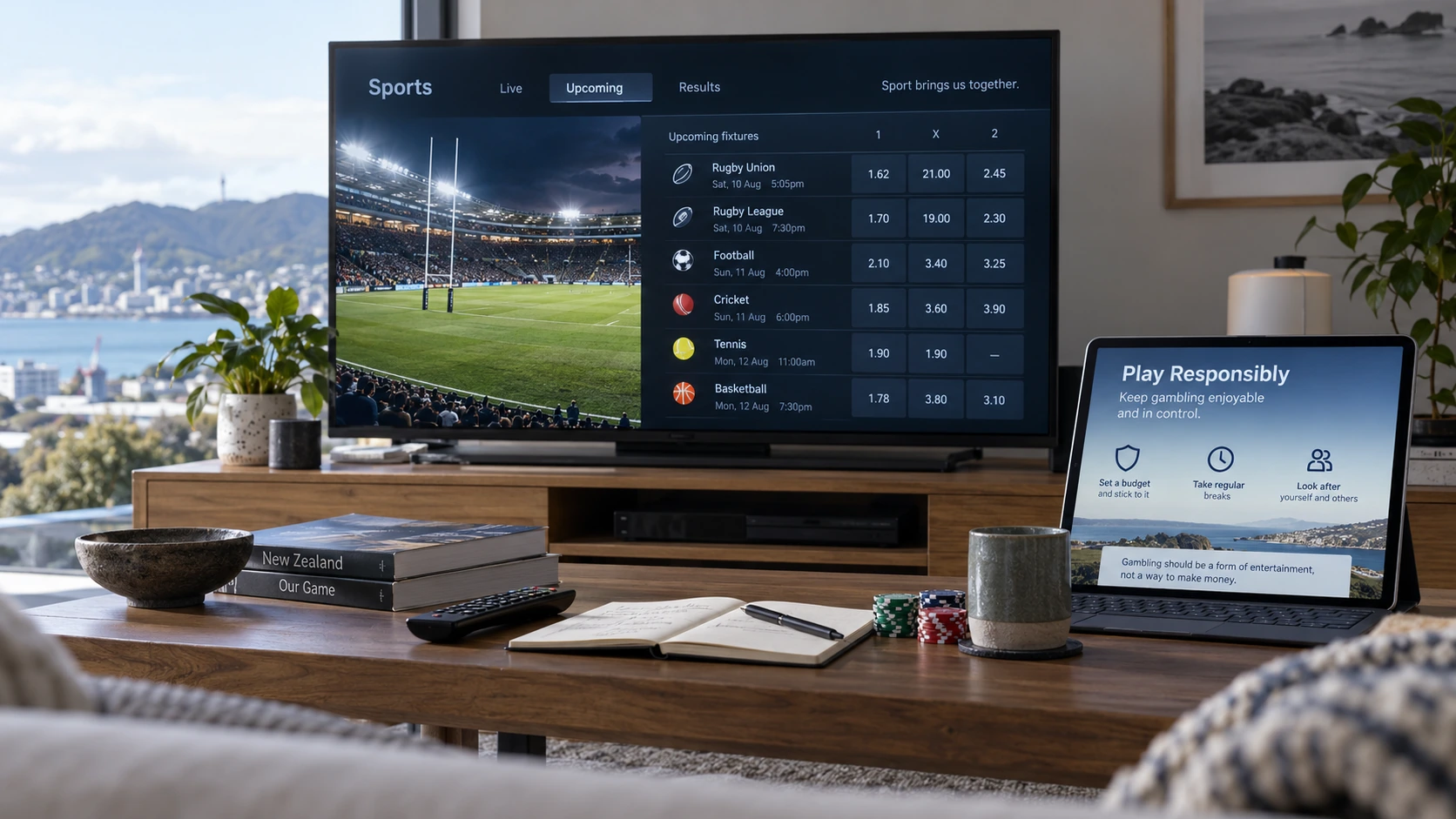
The hardest promotion to spot is the one that sounds like a normal half-time discussion. A clear handover, visible sponsor identification and honest claims help viewers tell sports reporting from an invitation to bet. When that boundary is unclear, the broadcast details can be put to the ASA.